Inline Filter vs. Water Softener

Clean, safe water is essential for your health, comfort, and the longevity of your plumbing system. Yet many homeowners struggle to decide between installing an inline water filter or a water softener, often choosing the wrong solution and still dealing with water problems.

While both systems improve water quality, they solve very different issues. Understanding how each works — and when one alone may not be enough — is the key to making the right decision for your home.

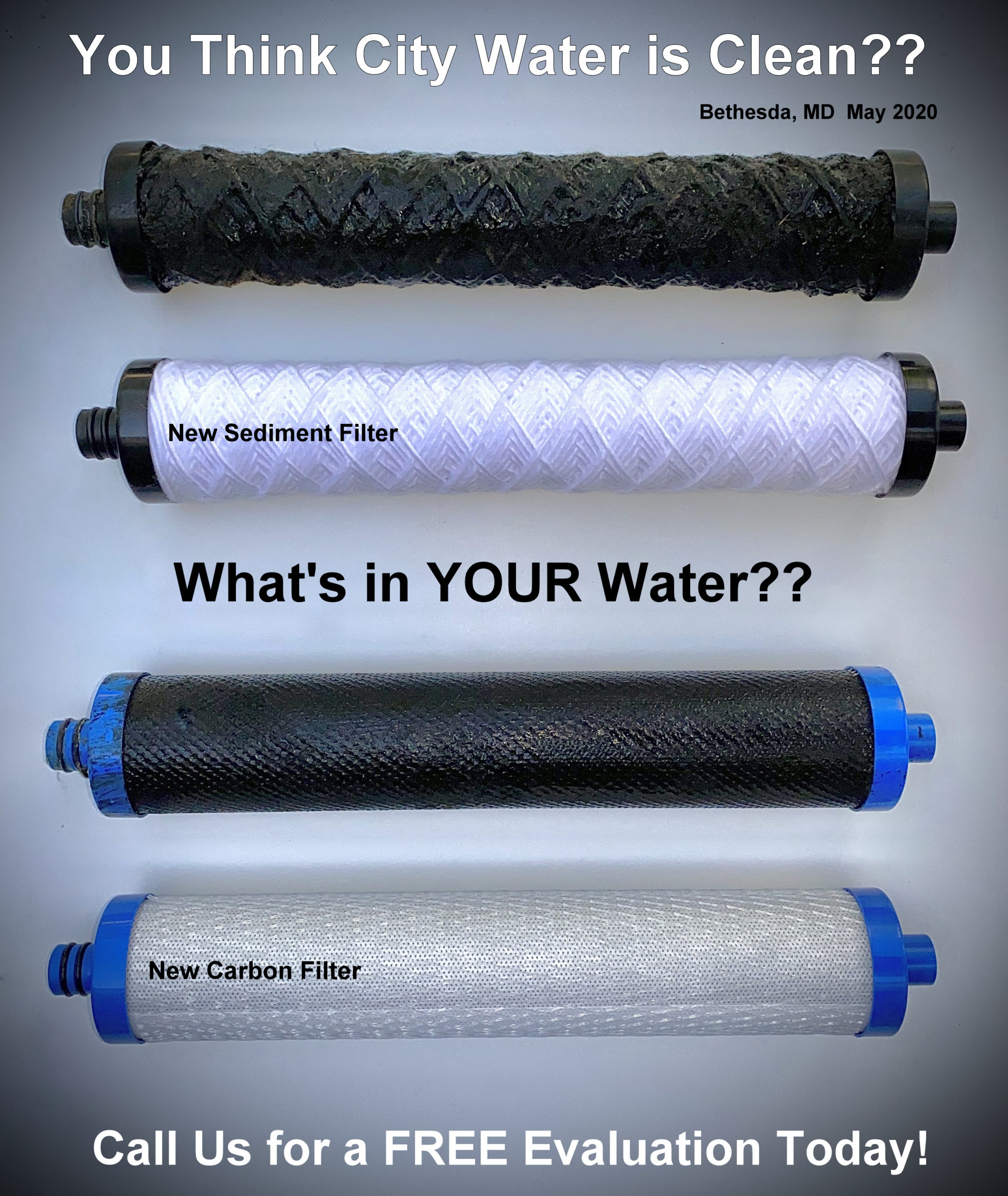
Four cylindrical water filters are shown: two old, dirty filters above two clean, new filters. The text asks, You Think City Water is Clean?? Whats in YOUR Water?? and promotes a free evaluation.

What Is An Inline Filter?

National Water Service

An inline water filter is installed directly into your home’s plumbing, usually along the main water line or a specific supply line. Its also used in well water filtration for homes. As water flows through the filter, contaminants are reduced before the water reaches your taps.

Inline water filters are commonly used to help reduce:

Because inline filters connect directly to the plumbing, they do not require a separate faucet. This makes them a popular, cost-effective option for homeowners looking to improve water taste and clarity.

However, most inline water filters rely on single-stage filtration, which limits their ability to remove complex or multiple water quality issues.
What Is a Water Softener?

National Water Service hard water vs soft water

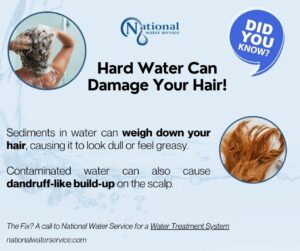
A water softener is designed specifically to treat hard water. Hard water contains high levels of calcium and magnesium, which can cause:

Water softeners use an ion-exchange process to remove hardness minerals, replacing them with sodium or potassium ions. The result is water that is easier on plumbing, appliances, and your skin.

It’s important to note that water softeners do not remove contaminants, improve taste, or eliminate odors.


In case you are searching for a water softener in Maryland, then try reaching out to your local dealers, like National Water Service. Ask for the best offers or search for the same over the internet and compare services to make the best decision.

Inline Water Filter vs Water Softener: Key Differences

National Water Service What can you do to treat your water?


FeatureInline Water FilterWater Softener
Removes contaminants✅ Yes❌ No
Reduces hardness❌ No✅ Yes
Improves taste & odor✅ Yes❌ Limited
Prevents scale buildup❌ No✅ Yes
Best for city water✅ Yes⚠️ Sometimes
Best for hard well water⚠️ Partial✅ Yes

This comparison highlights a critical fact: inline water filters and water softeners are not interchangeable.

A professional water company consult can help you make the right decision. 
When an Inline Water Filter Is Enough

An inline water filter may be the right choice if:

  • Your water smells or tastes unpleasant

  • You have city water with chlorine

  • Sediment is visible in your water

  • Your water test shows low hardness

  • You want a lower-maintenance solution

For basic water quality improvements, inline filters can be effective. However, they are not designed to address mineral buildup or complex well water problems.

When a Water Softener Is the Better Choice

A water softener is ideal if:

  • You have hard water stains

  • Soap doesn’t lather properly

  • Appliances show scale buildup

  • You experience dry skin or dull laundry

  • Your well water test shows high mineral content

That said, softened water can still contain chemicals, sediment, bacteria, or other contaminants.

Why an Inline Water Filter or Water Softener Alone May Not Be Enough

Many homes need both filtration and softening. A softener handles minerals, while a filter removes contaminants. Using only one may leave water quality issues unresolved.

For example:

  • Water can be hard and contaminated

  • Softened water can still taste bad

  • Filtered water can still cause scale buildup

In these cases, homeowners often need both filtration and softening, or a custom whole-house water treatment system designed around their specific water chemistry.

That’s why professional water testing is essential before choosing any system.

Why Water Testing Matters Before Choosing a System

The most common mistake homeowners make is choosing a system without knowing what’s actually in their water.

Professional water testing identifies:

With accurate water testing results, the right solution becomes clear — whether that’s an inline water filter, a water softener, or a combination system. Testing helps prevent unnecessary equipment and ensures long-term water quality.

Inline Water Filter vs Water Softener for Well Water

Well water is unregulated and varies greatly from one property to another. Inline filters alone are often not sufficient for well water because they do not address:

  • Hardness minerals

  • Iron and manganese

  • Bacteria and organic matter

Most well water systems require multi-stage treatment, which may include filtration, softening, and disinfection to fully protect your home.

Find out the best Whole House Filtration Systems here.

So, Which One Should You Choose?

The answer isn’t simply an inline water filter or a water softener — it’s the system that matches your water quality.

  • Inline water filters address contaminants.
  • Water softeners address hardness.
  • Many homes require both.

The only way to know for sure is through professional water testing and expert guidance.

Professional Installation vs DIY Inline Filters

While DIY inline filters are widely available online, professional systems offer:

  • Proper sizing based on water usage

  • Higher-quality filtration media

  • Correct installation with bypass valves

  • Ongoing service and maintenance support

For long-term performance and reliable water quality, professional evaluation and installation are strongly recommended.

Get Expert Help Choosing the Right Water Treatment System

For homeowners in Maryland, Washington DC, and Northern Virginia, National Water Service provides professional water testing and customized water treatment solutions.

Whether you’re deciding between an inline water filter, a water softener, or a complete system, our specialists help you make the right choice — without unnecessary equipment or pressure.

FAQs About Inline Water Filter Vs Softeners

What is an inline water filter?

An inline water filter is a filtration device installed directly into a water supply line. It filters water as it flows through the plumbing, helping reduce contaminants such as chlorine, sediment, and certain chemicals before the water reaches your taps.

Inline water filters can reduce chlorine, unpleasant taste and odor, sediment, and some chemical contaminants. However, most inline filters do not remove hardness minerals, bacteria, or heavy metals unless specifically designed for those purposes.

In most cases, no. Well water often contains multiple issues such as hardness, iron, bacteria, or sediment. Inline water filters alone are usually not sufficient for treating well water and are best used as part of a multi-stage treatment system.

An inline water filter removes certain contaminants that affect water taste and quality, while a water softener treats hard water by removing calcium and magnesium minerals. They solve different problems and are often used together.

No. Inline water filters do not remove hardness minerals. A water softener is required to treat hard water and prevent scale buildup.

Yes. Many homes use both systems together to address contamination and hardness at the same time. This is especially common in homes with well water or multiple water quality issues.

Most inline water filters last between 6 to 12 months, depending on water quality, usage, and the type of filter media. Poor water quality may require more frequent replacement.

Possibly. Hard water does not always affect taste but can still damage plumbing, appliances, and fixtures over time.

Many well water systems have hardness issues. Water testing is the best way to determine if a water softener is needed.

No. Water softeners are not designed to remove chemicals, bacteria, or sediment. Filtration is required for those issues.

Yes. Many homes use both systems together to address contamination and hardness at the same time.

Neither is better overall — they solve different problems. The right solution depends on what’s in your water.

Professional water testing identifies exactly what’s in your water and determines whether filtration, softening, or a combination system is required.

Why Us?​
47+ Years Experience
Clean Safe Water
Trusted by Homeowners
5-Star Service

Serving Maryland, Northern VA, and Washington DC