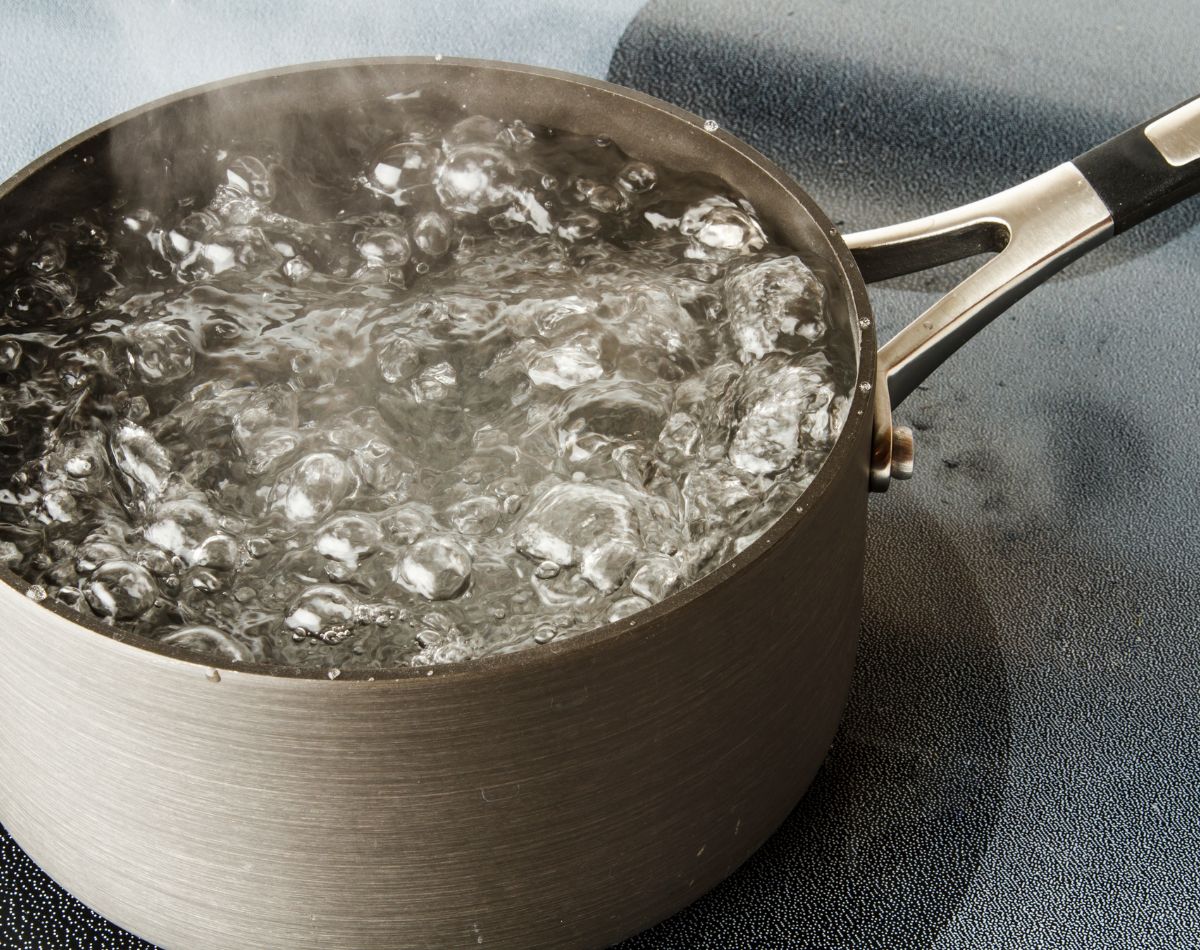
Choosing between well water and city water impacts your water quality, safety, cost, and long-term maintenance. Homeowners across Maryland, Washington DC, and Northern Virginia rely on both sources — but each comes with unique challenges. Whether you are moving into a home with a private well or looking to improve your municipal water, understanding the health and safety differences is the first step.
Understanding the differences between well water vs city water helps you determine whether a water treatment system is necessary and which solution is right for your home.
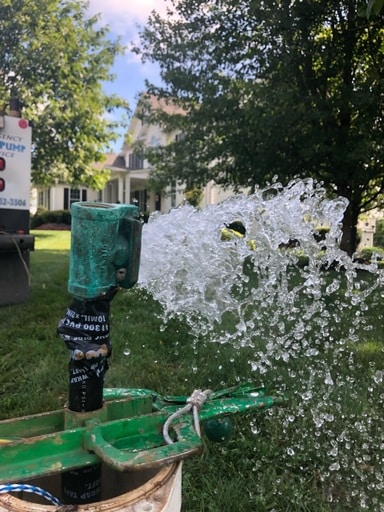
Is well water better than city water?
Well water offers chemical-free independence and no monthly bills, while city water offers convenience and regulated testing. Neither is “perfect” out of the tap; well water often requires treatment for minerals and bacteria, while city water frequently needs filtration to remove chlorine and lead from aging infrastructure.
What Is City Water?
City water (municipal water) is supplied by local utilities and treated at centralized facilities before reaching your home.
City Water Pros
Regulated by federal and state agencies
No private well maintenance
Consistent water pressure
City Water Cons
Chlorine or chloramine taste and odor
Aging pipes can add sediment or metals
Limited control over water quality
Many homeowners still install whole-house filtration to improve taste and reduce chemicals.
What Is Well Water?
Well water comes from a private underground source on your property and is not municipally treated.
Well Water Pros
No monthly water bill
No chlorine or chemical disinfectants
Greater control over treatment
Well Water Cons
Requires regular testing
Can contain bacteria, iron, sulfur, or hardness
Equipment maintenance is homeowner’s responsibility
Most well homes require water treatment systems to ensure safety.
Well Water vs City Water: Key Differences
| Factor | City Water | Well Water |
|---|---|---|
| Treatment | Centralized | Homeowner-controlled (Chemical-Free Options) |
| Monthly Cost | Yes | No |
| Testing | Utility-managed | Homeowner responsibility Professional Annual Testing Required |
| Common Issues | Chlorine, sediment | Bacteria, iron, sulfur |
| Treatment Needed | Often | Almost always |
Is Well Water Healthier or Safer than City Water?
This is one of the most common questions for homeowners in the Mid-Atlantic. The answer is: It depends on the treatment. Well water is often considered “healthier” because it lacks the added chlorine and fluoride found in city water, but it is only “safer” if it is protected by a UV sterilization system and regularly tested for contaminants like nitrates and radon.
Do You Need Water Treatment for City Water?
Yes — even treated municipal water can benefit from filtration.
Common city water treatment solutions include:
Whole-house carbon filters
Sediment filtration
Reverse osmosis for drinking water
Check out more information about whole house water treatment systems here.
Do You Need Water Treatment for Well Water?
Absolutely. Well water should always be tested and treated based on results.
Common well water treatment solutions:
Iron & sulfur removal
UV water treatment systems (for bacteria)
Signs Your Water Needs Treatment
Staining on fixtures or laundry
Rotten egg or metallic odors
Cloudy or discolored water
Dry skin or soap not lathering
Learn more about water quality issues here.
Water Testing: The First Step
The only way to know what your water needs is through professional water testing.
At National Water Service, we test for:
Bacteria & microorganisms
Hardness minerals
Iron, sulfur, and sediment
pH levels
Testing ensures your system is correctly sized and cost-effective.
Which Is Better: Well Water or City Water?
There’s no one-size-fits-all answer.
City water offers convenience but often needs filtration
Well water offers independence but requires proper treatment
The right solution depends on your water source, test results, and household needs.
More Information about home water treatment systems for city water vs well water here.
FAQs
Is well water safer than city water in Maryland?
In Maryland, well water can be incredibly pure, but it is prone to local issues like acidic pH and radon. If you have an aeration system and a UV light, well water is often preferred for its lack of chemicals.
Does city water need filtration?
Yes. Many homeowners filter city water to remove chlorine, sediment, and improve taste.
Can UV systems be used on city water?
UV systems are primarily used for well water but can supplement city water if microbial risk exists.
Which water source is cheaper long-term?
Most systems require annual maintenance, though requirements vary by system type. In our experience serving Maryland since 1979, well water is often more cost-effective over a 10-year period if the equipment is maintained annually.
How do city water filters differ from well water systems?
City water filters focus on chemical removal (chlorine) and sediment. Well water systems are more complex, focusing on mineral removal (iron/hardness) and microbiological safety (bacteria).
Get Expert Help Choosing the Right Water Treatment System
Whether you’re on city water or well water, our licensed specialists design systems specifically for Maryland, DC, and Northern Virginia homes.
Authored by the National Water Service Engineering Team. Serving Woodbine, Bethesda, and the greater Maryland area since 1979.