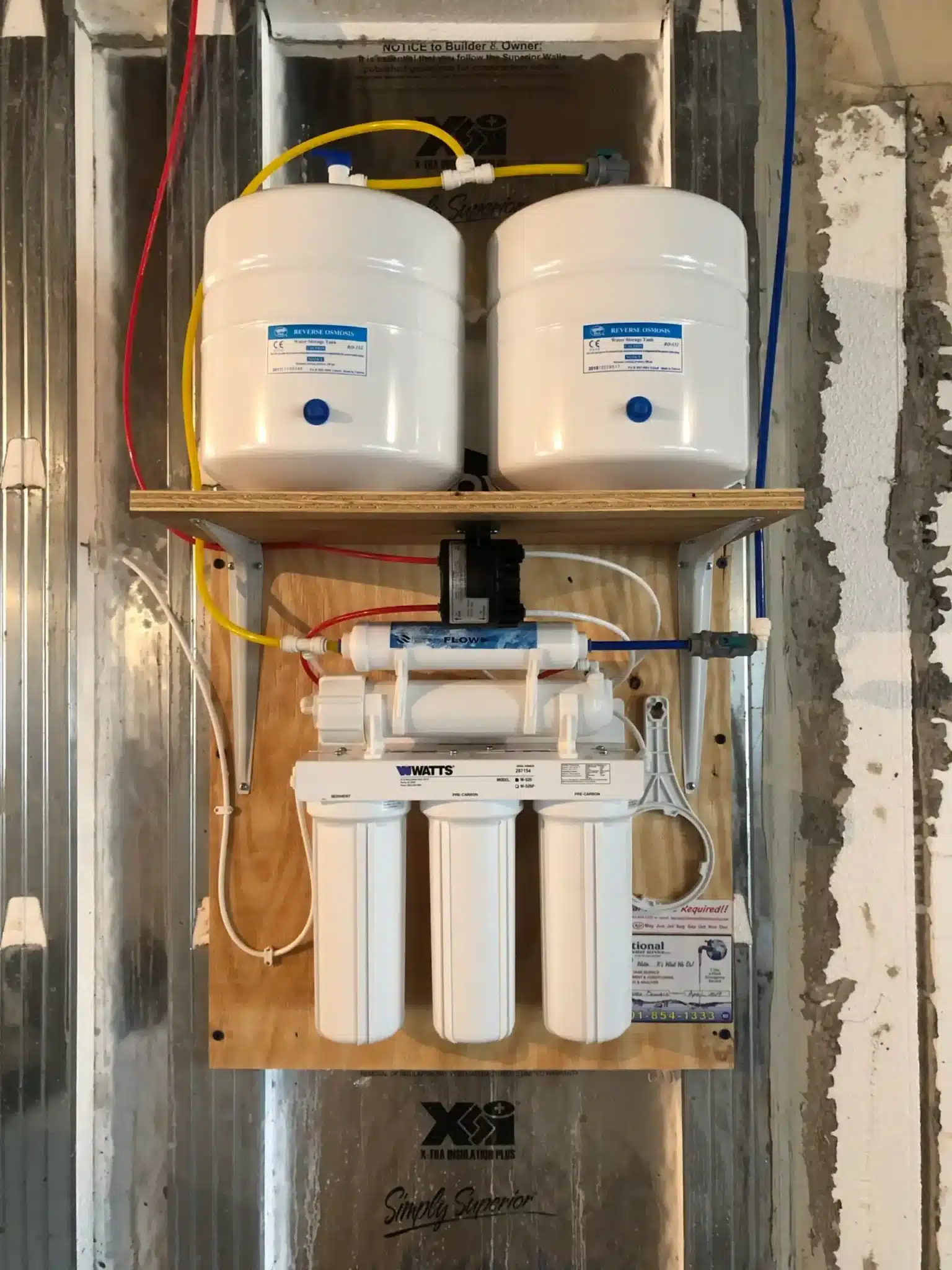
To increase water pressure in your home, start by checking your pressure gauge — ideal home water pressure is 50–60 PSI. Common fixes include clearing clogged pipes, adjusting your pressure regulator, checking for leaks, and ensuring your pressure tank has the correct air charge. For well systems, a constant pressure system is the most reliable long-term solution.
Dealing with low water pressure in your home can be a daily frustration, affecting everything from your morning shower to the efficiency of your dishwasher. Fluctuations in pressure typically occur due to clogged lines, aging pipes, or improper system maintenance.
If you have noticed a significant drop in your home’s water flow, it is important to address it immediately to prevent long-term damage to your plumbing.
For well owners, a constant pressure system is often the most permanent fix — see our guide to constant pressure system installation. Not sure if it’s your well pump or pressure tank causing the drop? See our guide to signs of well pump or pressure tank failure.
Here is exactly how to increase water pressure in your home and troubleshoot common well system issues. Not sure whether you have a well or city water problem? See our well water vs city water guide or visit our low water pressure service page if you need a professional diagnosis.
Common Causes of Low Water Pressure in the Home
There isn’t just one reason why your pump’s pressure may be suffering. To find the right fix, we must look at the most common culprits:
Gravity and Elevation: Gravity affects the vertical lift of water. For every foot of elevation your water must travel, you lose roughly 0.433 PSI of pressure.
Pipe Corrosion and Sediment: Over time, older pipes collect rust and sediment build-up. This creates a narrow path for water, leading to a noticeable drop in water pressure in the home.
Too Many Fixtures: If your system is splitting pressure between too many faucets, showers, and appliances simultaneously, the overall flow will suffer.
Undersized Piping: If your pipes are too small for the distance the water needs to travel, your pump will struggle to maintain velocity.
Many of these issues are signs that may lead to no water situations.
How to Check Your Well Pump Pressure
Quality water pressure is key to a well-running home. Monitoring your system is inexpensive and can be done with a simple water pressure gauge (available for about $10).
To conduct a test, connect the gauge to an outdoor spigot or near your pressure tank. Ideally, your pressure should sit between 50 PSI and 60 PSI. If the reading falls below 40 PSI, you officially have low water pressure. You should also check your flow rate; a healthy home system typically circulates 6 to 12 gallons per minute (GPM).
How to Increase Water Pressure in Your Home
While many homeowners immediately consider a booster pump, there are several steps you can take to improve your system’s performance manually.
1. Clear Clogged Lines
Water pumps and pipes frequently become clogged with sediment or minerals (especially in high-chlorine or hard water areas). Even a slight clog can cause a massive loss in pressure. Reducing the restrictions in the pipes leading from your pump to your faucets is often the first step to restoring flow.
2. Minimize Distance and Increase Pipe Size
If you want to increase water pressure at a specific outlet, you may need to reduce the distance the water travels or replace undersized pipes. This prevents your pump from burning out and makes your entire plumbing system more efficient.
3. Reduce Suction Lift
In well systems, the “suction lift” is the vertical distance between the pump and the water level in the well. Reducing this lift can dramatically increase the pressure at which your pump operates, especially with centrifugal pumps.
4. Check for Leaks
Sometimes the pressure is fine, but a leak in your well pump hoses or house plumbing is draining the output. A small leak is a “stitch in time” situation—fixing it now with a sealant or professional repair prevents a total system failure later.
5. Adjust Your Pressure Regulator
If your home is on city water and pressure has dropped, the pressure reducing valve (PRV) may need adjustment. The PRV is typically found on the main water line where it enters your home — it looks like a bell-shaped device with a bolt on top.
To increase pressure: turn the adjustment bolt clockwise (righty-tighty). Check your pressure gauge after each small adjustment. Never exceed 75 PSI — high pressure strains pipes, appliances, and water heater fittings. If the PRV is old or corroded, replacement costs $300–$600 installed though total costs can range from $300–$1,000+ depending on complexity or location and is a job for a licensed plumber.
If you’re not sure if the water pipe size is the issue, National Water Service provides plumbing services in Maryland, VA, and DC to help you find the right fix the first time. We have a dedicated division just for well pump services!
How to Increase Water Pressure in the Shower
Low shower pressure is one of the most common complaints we hear — and it often has a different cause than whole-home low pressure.
Start with the showerhead: unscrew it and check the small inlet screen for mineral buildup. In hard water areas (common throughout Maryland and Northern Virginia), calcium and magnesium deposits can block 50% or more of the flow within a year. Soak the showerhead in white vinegar overnight, then rinse and reinstall.
If cleaning doesn’t help, check whether low pressure is isolated to that shower or affects the whole home. If it’s just one shower, the issue is likely a flow restrictor (a small plastic disc inside the showerhead) or a partially closed shutoff valve behind the wall. If pressure is low throughout the house, work through the steps above to diagnose the root cause.
The right fix depends on whether you have well water or city water — the pressure systems work completely differently. See our full breakdown in the well water vs city water guide, or visit our low water pressure service page if you need a professional to diagnose the problem.
City Water vs Well Water: Different Pressure Fixes
The right fix depends on your water source. City (municipal) water and well water have completely different pressure systems.
City water pressure problems are typically caused by: a partially closed PRV (see Step 5 above), a failing pressure regulator, mineral buildup in pipes, or low supply pressure from the utility. The utility controls the baseline pressure — you can call them to verify the incoming PSI at your meter.
Well water pressure problems come from: a waterlogged pressure tank, incorrect pressure switch settings, a failing well pump, or a dropping water table. If you have a standard pump that cycles on/off, your pressure tank’s pre-charge pressure should be set 2 PSI below the pump’s cut-in pressure (typically 28 PSI for a 30/50 switch). A waterlogged tank — one with no air cushion — will cause rapid pump cycling and weak pressure.
Not sure which issue you have? Call National Water Service at 301-854-1333. Our technicians diagnose pressure problems throughout Maryland, DC, and Northern Virginia.
The Ultimate Solution: Constant Pressure Systems
If you are tired of pressure drops when someone starts the laundry while you’re in the shower, a constant pressure system is the best evergreen solution. Unlike standard pumps that cycle on and off, these systems provide “city-like” pressure by adjusting the pump speed to meet your exact demand.
Well Pressure FAQ's
How do I increase water pressure in my home?
You can often increase water pressure by checking for pipe clogs, cleaning your faucet aerators, or adjusting your water pressure regulator. If you are on a well system, ensuring your pressure tank is set correctly or installing a constant pressure system are the most effective long-term solutions.
Why is my water pressure low in the shower?
Low shower pressure is typically caused by mineral buildup inside the showerhead or an aging pipe. Soaking your showerhead in vinegar to remove scale or replacing old, narrow pipes can help restore full flow.
How do I adjust my water pressure regulator?
Most regulators have a bolt on top. Turning it clockwise usually increases the pressure. However, you should never exceed 75 PSI, as high pressure can damage your appliances and lead to leaks.
What PSI should my home water pressure be?
The ideal home water pressure is between 50 and 60 PSI. Pressure below 40 PSI is considered low and will cause weak flow at fixtures. Pressure above 80 PSI is too high and can damage appliances, cause pipe leaks, and shorten the life of your water heater. You can check your pressure with a $10 gauge from any hardware store — attach it to an outdoor spigot with all other water off.
Can a bad pressure tank cause low water pressure?
Yes — a waterlogged or failed pressure tank is one of the most common causes of low or inconsistent water pressure in well systems. When the tank loses its air charge, the pump cycles on and off constantly, causing rapid pressure fluctuations at your faucets. If you hear your pump clicking on every time you run water, suspect the pressure tank first. See our pressure tank service page for more.
How much does it cost to fix low water pressure?
Cost depends on the cause. Cleaning a showerhead or adjusting a pressure regulator can cost nothing or under $50 DIY. Replacing a PRV typically starts around $300–$600 installed, though it may be higher depending on your system and access. A new pressure tank generally starts in the $1,200–$1,600 range installed, and can go higher based on tank size and labor. A constant pressure system installation starts around $1,500–$3,000+ and varies based on the pump, system complexity, and your property. National Water Service provides free diagnostic estimates — call 301-854-1333.
Tired of low pressure?
National Water Service specializes in Constant Pressure System Installation in Maryland, VA, and DC. Schedule a consult today to enjoy consistent, high-pressure water throughout your home.