
The best whole house water filtration system depends on your water source and what’s in your water. For well water, a multi-stage system combining sediment filtration, iron or sulfur removal, and UV disinfection covers most common problems. For city water, a carbon filtration system targeting chlorine, PFAS, and disinfection byproducts is the most common starting point. Professional water testing before selecting any system ensures you’re treating what’s actually in your water — not guessing.
Choosing the best whole house water filtration system isn’t about buying the most expensive filter — it’s about choosing a system that matches your water source, contaminants, and household needs.
Homes across Maryland, Washington DC, and Northern Virginia experience a wide range of water quality issues, from chlorine and PFAS in city water to iron, bacteria, and sediment in well water. A properly designed whole house water filtration system treats water at the point it enters your home, delivering cleaner, safer water at every tap.
In this guide, we’ll explain:
What makes a whole house water filtration system “the best”
The pros and cons of whole house systems
Options for well water vs city water
Why water testing should always come first
How much whole house filtration systems cost


What Is a Whole House Water Filtration System?
A whole house water filtration system is installed on the main water line where water enters your home. Instead of filtering water at one faucet, it treats all water used for drinking, bathing, cooking, laundry, and appliances.
Whole house water filtration systems help:
Improve taste and odor for drinking water
Reduce harmful contaminants
Protect plumbing and appliances
Deliver consistent water quality throughout the home
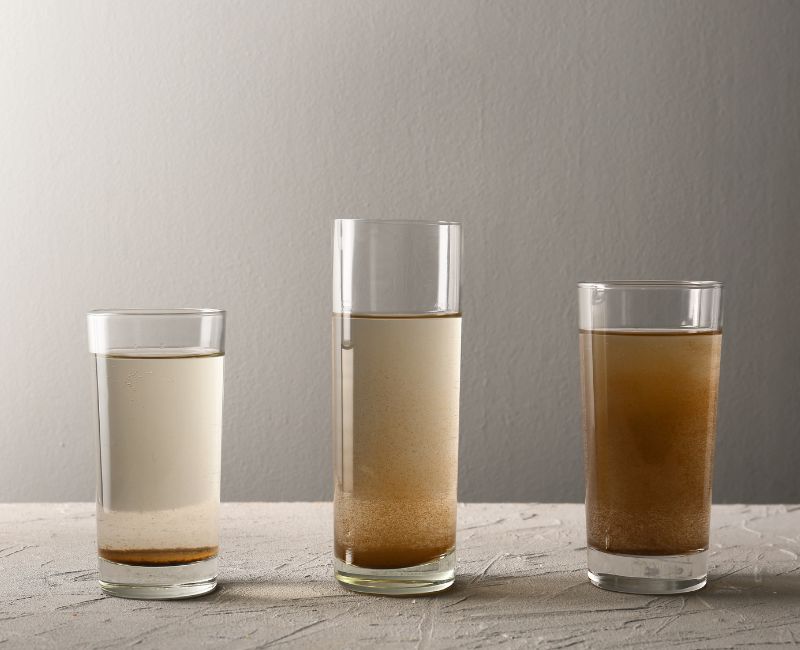
What Makes the Best Whole House Water Filtration System?
The best system depends on your specific water conditions, not brand names.
Key factors include:
Water source (well water vs city water)
Contaminants present (chlorine, PFAS, iron, bacteria, sediment)
Household size and water demand
Maintenance requirements
System scalability
This is why professional water testing is essential before selecting any filtration system.
Do You Actually Need a Whole House Water Filtration System?
Not every home needs a full whole house system — but some homes absolutely do. Here’s a quick way to think about it:
You likely need one if:
- Your well water has iron staining, sulfur odor, or has tested positive for bacteria
- Your city water tastes or smells of chlorine
- A water test has flagged PFAS, nitrates, or other contaminants
- You have a family member with sensitivities or a compromised immune system
- Your plumbing or appliances show unexplained scale, staining, or corrosion
You may not need a full system if:
- Your water test comes back clean on all major contaminants
- Your only concern is drinking water taste — an under-sink reverse osmosis system may be enough
- You’re on city water with no detectable contaminants beyond standard chlorination
The only reliable way to know is a water test. National Water Service provides free water testing throughout Maryland, DC, and Northern Virginia — call 301-854-1333.

Types of Whole House Water Filtration Systems
Sediment Filtration Systems
Removes sand, dirt, rust, and debris commonly found in well water or aging pipes.
Carbon Filtration Systems
Removes chlorine, chloramine, chemicals, and unpleasant tastes or odors.
Iron & Sulfur Removal Systems
Targets iron staining, metallic taste, and sulfur odors.
UV Disinfection Systems
Kills bacteria, viruses, and coliform without chemicals.
Multi-Stage Whole House Filtration Systems
Combines multiple filtration stages for complex water problems.
Reverse Osmosis Systems
Used to purify water to make it suitable for drinking.

Pros and Cons of Whole House Water Filtration Systems
Pros
- Clean, filtered water at every tap
- Improved taste and odor
- Protection for plumbing and appliances
- Reduced scale and residue
- Long-term cost savings
Cons
- Higher upfront investment
- Requires professional installation
- Routine maintenance needed
- May need additional systems (softener or UV)
How Much Does a Whole House Water Filtration System Cost?
Cost depends on the system type, your water conditions, and what a water test shows needs to be addressed. A basic sediment filter costs less than a multi-stage well water system — and no two homes are exactly the same.
National Water Service provides free water testing and a written estimate before any work begins, so you know exactly what’s needed and what it costs before committing to anything. Call 301-854-1333 or schedule a free water test.

Whole House Water Filtration vs Water Softeners
A whole house water filtration system removes contaminants, while a water softener reduces hardness minerals like calcium and magnesium.
Many homes benefit from using both systems together.

Best Whole House Water Filtration System for Well Water
Well water filtration targets:
Iron and manganese
Sulfur odors
Bacteria and coliform
Sediment and hardness
The best systems for well water usually include:
Sediment filtration
Iron/sulfur removal
UV disinfection
Find out more about why your water needs to be filtered.

Best Whole House Water Filtration System for City Water
Choosing a system without testing often results in poor performance and unnecessary costs.
Professional testing identifies:
Exact contaminants
Correct filtration stages
Proper system sizing
Why Water Testing Matters Before Choosing a System
City water may still contain contaminants like:
Chlorine and chloramine
PFAS (forever chemicals)
Disinfection byproducts
Carbon filtration and PFAS-specific media are commonly recommended.
Professional Installation vs DIY Systems
DIY systems often lead to:
Incorrect sizing
Pressure loss
Reduced effectiveness
Professional installation ensures proper design, code compliance, and long-term reliability.
FAQs
What is the best whole house water filtration system?
The best system depends on your water source and contaminants. Well water usually requires multi-stage systems, while city water often benefits from carbon filtration.
Are whole house water filtration systems worth it?
Yes. They provide clean water at every tap, protect plumbing, and improve overall water quality.
Do whole house water filters remove PFAS?
Some systems do. PFAS removal requires specialized filtration media selected through water testing.
How long do whole house water filtration systems last?
Most systems last 10–20 years with proper maintenance.
How much does a whole house water filtration system cost?
Cost depends on the system type and what your water test shows needs to be treated. A sediment-only filter costs considerably less than a full multi-stage system for well water — and no two homes are the same. National Water Service provides free water testing and a written estimate before any work begins. Call 301-854-1333.
What is the difference between a whole house water filter and a water softener?
A whole house water filtration system removes contaminants — sediment, chlorine, iron, bacteria, PFAS, and chemicals. A water softener specifically treats hardness minerals (calcium and magnesium) that cause scale buildup and dry skin. Many Maryland and Virginia homes with well water need both — a filtration system to address iron, bacteria, and sediment, and a softener to handle hardness. They’re often installed together as part of the same system.
Can I install a whole house water filtration system myself?
DIY installation is possible for basic inline filters but not recommended for multi-stage systems. Whole house systems need to be correctly sized for your home’s flow rate, properly connected to your plumbing, and in some cases permitted. An incorrectly sized system causes pressure drop and reduced effectiveness. Professional installation also ensures the system is designed based on your water test results — not a generic recommendation.