
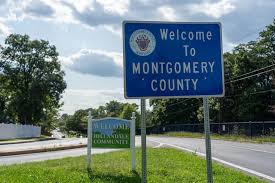
National Water Service provides professional water treatment services throughout Montgomery County, MD — from downtown Bethesda and Silver Spring to the rural well-water communities of Damascus, Poolesville, and upper Montgomery County. Whether your home is supplied by WSSC Water, the City of Rockville’s independent water system, or a private well, we design treatment solutions based on what’s actually in your water — not assumptions.
In addition to Montgomery County, we provide expert water treatment across Maryland, Washington DC, and Northern Virginia.
Montgomery County’s public water supply is managed primarily by WSSC Water (Washington Suburban Sanitary Commission), one of the largest water utilities in the United States, serving approximately 1.9 million customers across Montgomery and Prince George’s counties. WSSC operates two filtration plants that supply the county:
Potomac Water Filtration Plant — Located in Potomac, MD near Swain’s Lock, this is the larger of the two facilities. It draws water directly from the Potomac River and has a maximum treatment capacity of 280 million gallons per day (MGD). The Potomac plant supplies the majority of Montgomery County’s public water.
Patuxent Water Filtration Plant — Located in Laurel, MD, this plant draws from the Triadelphia Reservoir and the T. Howard Duckett Reservoir (also known as Rocky Gorge). It produces up to 110 MGD.
Some areas of the county receive blended water from both plants. This distinction matters for treatment because the two sources have very different water chemistry — particularly when it comes to hardness.
Two important exceptions:
One of the most common questions we get from Montgomery County homeowners is whether their water is hard or soft. The answer depends entirely on which WSSC plant supplies your home:
For homes receiving Potomac-sourced water (the majority of Montgomery County), a whole-house water softener is often the most impactful single upgrade we install. We size systems based on your household water usage and tested hardness level — not guesswork.

Even though WSSC Water has maintained 107+ consecutive years with zero drinking water quality violations, that record applies to water as it leaves the treatment plant — not necessarily what comes out of your tap. Many of the water quality issues Montgomery County homeowners experience are caused by conditions inside the home or on the property.
WSSC uses chloramine (a chlorine-ammonia compound) to disinfect water. While effective and long-lasting, this process can produce trihalomethanes and haloacetic acids as byproducts. These compounds are monitored and typically remain within EPA limits, but some homeowners prefer additional carbon filtration to reduce them at the tap.
Many residents notice a chemical or “swimming pool” taste, particularly in warmer months when treatment adjustments are made. Unlike free chlorine, chloramine doesn’t dissipate by simply letting water sit — it requires activated carbon or catalytic carbon filtration to remove.
WSSC monitors for geosmin and MIB (methyl-isoborneol) — naturally occurring compounds produced by algae in the Patuxent reservoir. These can give water an earthy or musty smell during certain seasons. They are not harmful, but they are noticeable and can be addressed with carbon filtration.
WSSC banned lead as a service line material in 1954, and records indicate that more than 97% of service lines in the system are not lead. However, homes built before 1960 may still have lead service lines connecting the property to the WSSC main. WSSC is currently running its “What’s Your Pipe Type?” program to identify and replace remaining lead and galvanized-requiring-replacement (GRR) lines ahead of the EPA’s 2037 deadline. In the meantime, if your home has an older or unknown service line, a reverse osmosis system at the kitchen tap provides effective lead reduction for drinking and cooking water.
As noted above, Potomac-sourced water is naturally hard. Left untreated, hard water reduces the lifespan of water heaters, dishwashers, and washing machines, and causes white scale deposits on faucets and showerheads. A properly sized water softener eliminates these issues.
A tasteless, odorless radioactive gas common in Maryland’s deep-rock wells. When water is used for showering or laundry, radon escapes into the air, posing a significant long-term inhalation risk.
While the majority of Montgomery County is served by WSSC or Rockville’s municipal system, pockets of the county still rely on private wells — particularly in the Agricultural Reserve and northern communities like Damascus, Brookeville, Laytonsville, and parts of Poolesville.
Private well water in Montgomery County is not monitored or treated by any utility. The homeowner is fully responsible for testing and treatment. Common issues we see in Montgomery County wells include:
The Maryland Department of the Environment recommends annual testing for all private wells. We provide free basic in-home water testing and can coordinate comprehensive lab analysis when needed.
If you’re experiencing low water pressure or suspect your well pump or pressure tank may be failing, our well pump services team can diagnose and repair the issue — often the same day.
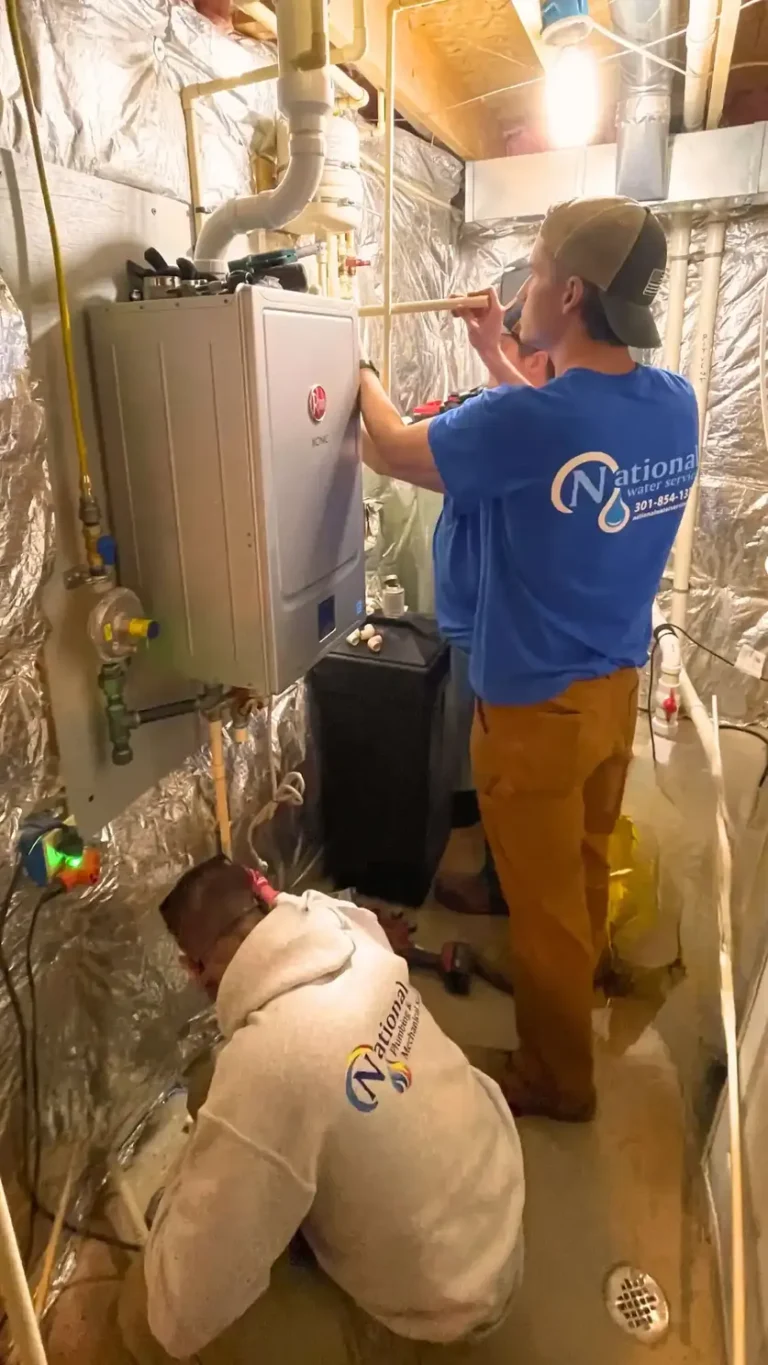
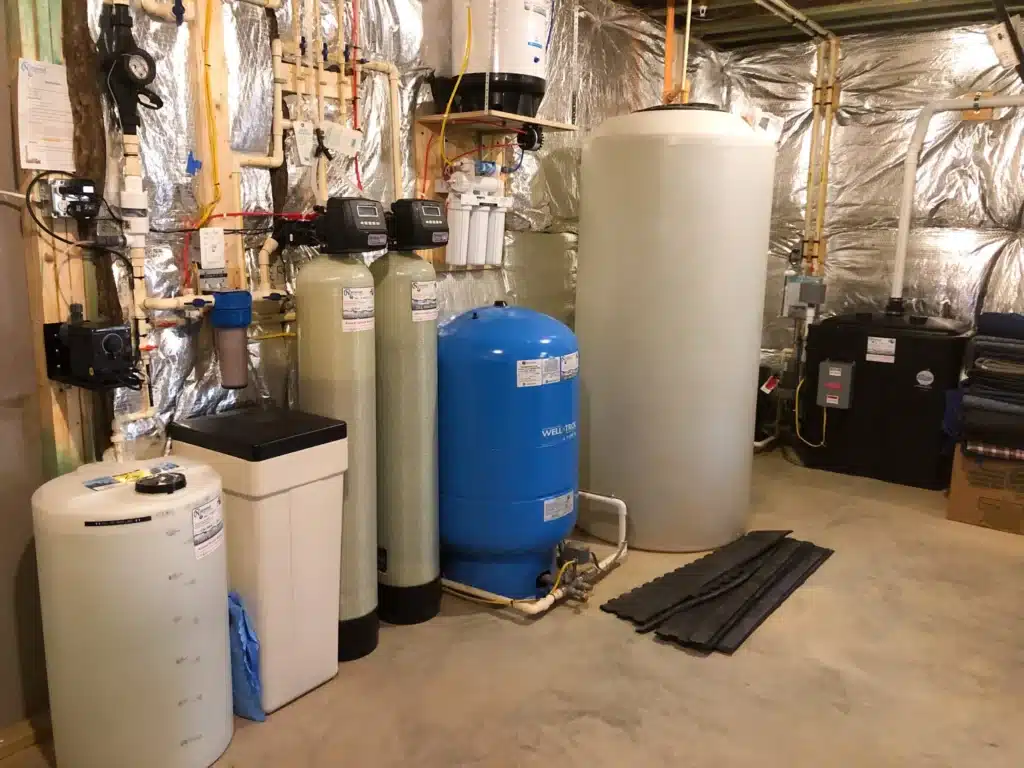
Every system we install is selected based on your water test results, household size, and plumbing configuration. We use non-proprietary equipment — meaning you’re never locked into a single brand for parts or service. Common solutions for Montgomery County homes include:
We handle installation, annual maintenance and emergency service across Montgomery County. Our office is in Woodbine, MD — just minutes from Montgomery County.
View our full range of water treatment services or browse our before-and-after installation gallery to see real results from homes like yours.
For FY2026, WSSC Water approved a 9.5% revenue enhancement, which translates to a quarterly increase of approximately $25.60 for a typical family of three. As water costs continue to rise, protecting your plumbing and appliances from hard water damage and scale buildup becomes even more important. A water softener can extend water heater lifespan by 30–50% and reduce soap and detergent usage — savings that offset the system cost over time.
We provide water treatment, well pump services, and plumbing services throughout Montgomery County, MD, including:
In addition to Montgomery County, we provide expert water treatment across Maryland, including Howard County, Frederick County, Carroll County, Baltimore County, Anne Arundel County, Prince George’s County, Loudoun County, VA, Fairfax County, VA, and Washington, DC.
WSSC has maintained zero drinking water quality violations for over 107 consecutive years and conducts more than 500,000 water quality tests annually. However, “safe” by regulatory standards doesn’t mean your water is free of taste, odor, or hardness issues. Many Montgomery County homeowners choose additional treatment to improve water quality at the tap — particularly for hard water, chloramine taste, or concerns about aging pipes.
WSSC uses chloramine for disinfection, which can produce a noticeable taste or odor — especially in warmer months. Unlike free chlorine, chloramine doesn’t evaporate when water sits in a glass. A whole-house carbon filtration system or a dedicated reverse osmosis drinking water system can effectively reduce it.
If your home receives Potomac River-sourced water (the majority of the county), hardness levels typically average 120–130 mg/L — enough to cause scale, reduce appliance efficiency, and affect soap performance. Homes on Patuxent-sourced water are generally softer and may not require softening. A water test will confirm your specific hardness level.
Possibly. WSSC’s records show that less than 3% of service lines in their system are lead or unknown material. However, homes built before 1960 are the most likely to have lead service lines on the customer-owned portion. WSSC’s “What’s Your Pipe Type?” program can help identify your pipe material. For immediate protection, a reverse osmosis system at the kitchen tap effectively reduces lead in drinking water.
Yes — we provide water treatment services throughout Montgomery County, including Rockville, Gaithersburg, Germantown, Bethesda, Silver Spring, Chevy Chase, Potomac, Olney, Damascus, Brookeville, Laytonsville, Poolesville, Clarksburg, Burtonsville, and all surrounding communities. Our main office is in Woodbine, MD — just minutes from Montgomery County. Contact us to confirm service availability in your specific area.
We recommend testing for bacteria (coliform/E. coli), pH, hardness, iron, manganese, nitrates, and radon at minimum. Northern Montgomery County wells often draw from deep rock formations where radon and low pH are common. Annual testing is essential since well water quality can change seasonally. If you’re also experiencing pressure issues, our well pump team can inspect your system.
Cost depends on the system type and your specific water conditions. A basic water softener installation is a different investment than a comprehensive whole-house system with multiple treatment stages. We provide free in-home water testing and a detailed estimate before any work begins — no pressure, no obligation. Call 301-854-1333 to schedule.

Schedule your free water test today or call 301-781-5866 to speak with a water treatment specialist.