
National Water Service provides professional water treatment services throughout Fairfax County, VA — from Reston, Vienna, and McLean to Springfield, Burke, and Centreville. Fairfax County is served by Fairfax Water, one of the largest water utilities in Virginia, which draws from the Potomac River and the Occoquan Reservoir. While the public water supply meets all federal standards, many homeowners add treatment to address hard water, chlorine taste, and concerns about disinfection byproducts — and approximately 12,750 homes in the county still rely on private wells.
In addition to Fairfax County, we provide expert water treatment across Maryland, Washington DC, and Northern Virginia.
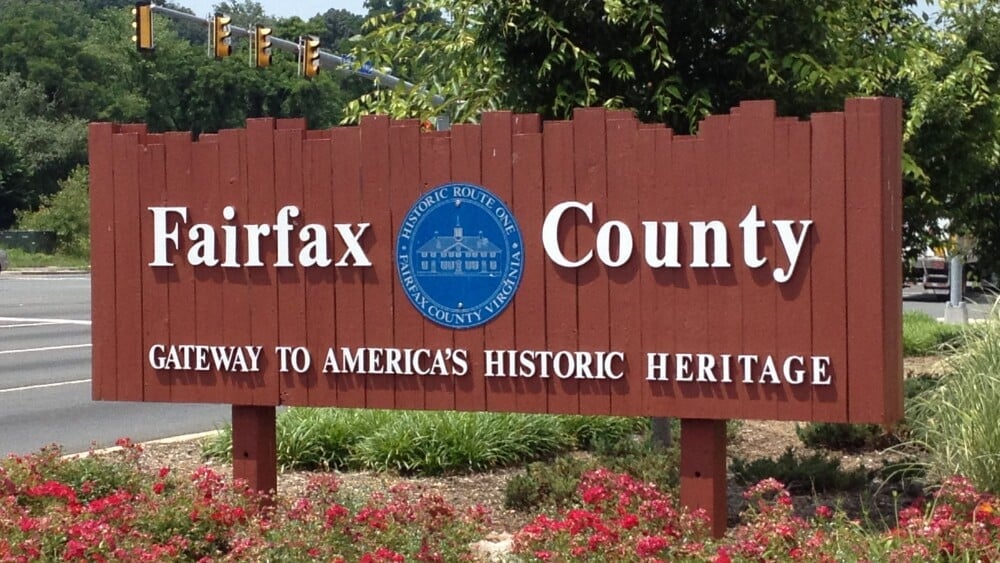
Fairfax Water — The county’s public water supply is managed by Fairfax Water, a non-profit public utility that serves approximately 2 million people across Northern Virginia — including Fairfax County, parts of Loudoun and Prince William Counties, and the cities of Falls Church and Fairfax. Fairfax Water draws from two primary sources:
Fairfax Water also purchases some water from the Washington Aqueduct (McMillan and Dalecarlia treatment plants in DC), operated by the U.S. Army Corps of Engineers. The distribution system includes over 4,000 miles of water mains and 30,000+ fire hydrants.
Fairfax Water was the first utility in Virginia to use ozone treatment (since 2000) and holds a AAA bond rating — one of only a handful of water utilities nationally with that distinction. Average daily production is approximately 170 million gallons.
Private Wells — Approximately 12,750 private wells exist in Fairfax County, primarily in areas without public water service. These wells draw from Piedmont bedrock aquifers and are the homeowner’s sole responsibility for testing and treatment.
Fairfax Water describes its water as “moderately hard” to “hard” — typically ranging from 84 to 170 mg/L (5 to 10 grains per gallon). The exact hardness level varies by location and season depending on rainfall and which source (Potomac or Occoquan) is supplying your area.
At 84–170 mg/L, most Fairfax County homes will experience some degree of hard water effects: scale buildup on fixtures and inside water heaters, spots on glassware and dishes, reduced soap and detergent performance, and shortened appliance lifespan. Homes at the higher end of that range (closer to 170 mg/L) will see these effects more noticeably.
A properly sized water softener eliminates hard water issues and is one of the most common systems we install in Fairfax County.

The most common issue. At 84–170 mg/L, Fairfax Water is moderately hard to hard. Scale accumulates in water heaters (reducing efficiency by 25–40%), on shower heads, and inside dishwashers. Treatment: water softener.
Fairfax Water uses chlorine for disinfection. Many residents notice a chemical taste, particularly after seasonal treatment adjustments or when water has been sitting in pipes. Treatment: whole-house carbon filtration.
Chlorine treatment of surface water from the Potomac and Occoquan can produce trihalomethanes and haloacetic acids as byproducts. Third-party testing has identified these at measurable levels. Carbon filtration reduces these byproducts throughout the house, and reverse osmosis provides the most thorough reduction at the kitchen tap.
Fairfax Water’s 2020 sampling detected lead at 1 ppb at the distribution level — very low. However, lead can enter water from household plumbing, particularly in older homes with lead solder or service lines. A reverse osmosis system provides effective lead reduction for drinking water.
Fairfax Water monitors for PFAS compounds. For homeowners who want additional protection at the tap, reverse osmosis is the most effective household treatment for PFAS reduction.
Both the Potomac River and Occoquan Reservoir are affected by stormwater runoff carrying sediment, pesticides, and organic matter. While treatment plants remove these contaminants, periods of heavy runoff can affect water taste and clarity. Sediment filtration and carbon filtration provide additional home-level protection.
Approximately 12,750 homes in Fairfax County rely on private wells — primarily in semi-rural areas without access to Fairfax Water’s distribution system. These wells draw from Piedmont bedrock aquifers, and water quality depends on local geology, well depth, and nearby land use.
Common well water issues in Fairfax County include:
We provide free basic in-home water testing and can coordinate comprehensive lab analysis when needed.
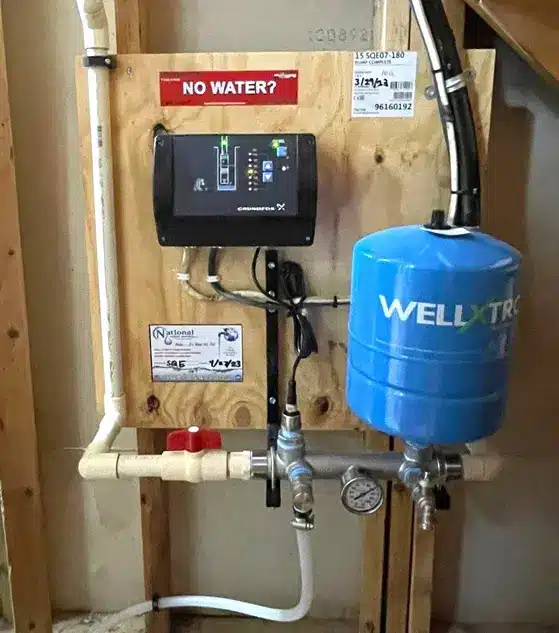
If you’re experiencing low water pressure or suspect your well pump or pressure tank may be failing, our well pump services team can diagnose and repair the issue.
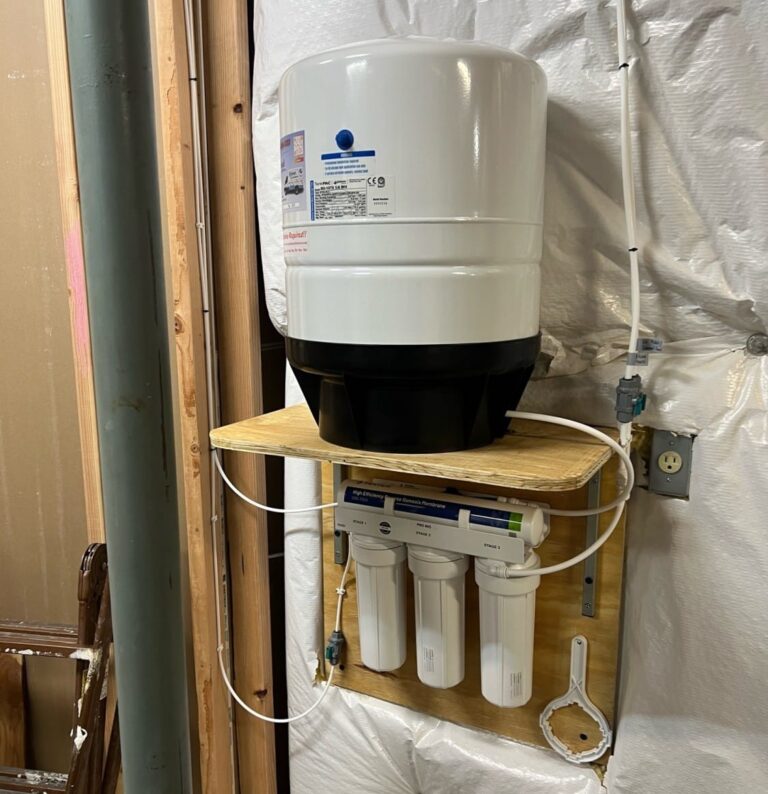
Every system we install is selected based on your water test results, household size, and plumbing configuration. We use non-proprietary equipment — meaning you’re never locked into a single brand for parts or service. Common solutions for Fairfax County homes include:
We handle installation, annual maintenance and emergency service across Fairfax County. Our office is in Woodbine, MD.
View our full range of water treatment services or browse our before-and-after installation gallery to see real results from homes like yours.
We provide water treatment, well pump services, and plumbing services throughout Fairfax County, VA, including:
In addition to Fairfax County, we provide expert water treatment across Maryland, including Montgomery County, Howard County, Frederick County, Carroll County, Baltimore County, Anne Arundel County, Prince George’s County, Loudoun County, VA, Prince William County, VA, and Washington, DC.
Fairfax Water meets all EPA and Virginia Department of Health standards and was the first utility in Virginia to use ozone treatment. However, the water is moderately hard to hard (84–170 mg/L), and chlorine disinfection produces measurable byproducts. Many homeowners add water softeners and carbon filtration to improve quality at the tap.
Fairfax Water reports hardness typically between 84 and 170 mg/L (5–10 grains per gallon), depending on location and season. Northern Fairfax County receiving Potomac-sourced water and southern areas receiving Occoquan-sourced water may differ. A water test confirms your specific level.
Generally, homes in northern Fairfax County receive Potomac River water (treated at the Corbalis plant), while southern Fairfax County homes receive Occoquan Reservoir water (treated at the Griffith plant). Some areas receive blended water. Fairfax Water also purchases some water from the Washington Aqueduct in DC.
We recommend testing for hardness, pH, iron, manganese, bacteria (coliform/E. coli), nitrates, radon, and sediment at minimum. There are approximately 12,750 private wells in Fairfax County drawing from Piedmont bedrock. Schedule a free water test. If you’re having pressure issues, our well pump team can inspect your system.
Yes — we serve over 25 communities throughout Fairfax County. See our full list above. Our office is in Woodbine, MD. Contact us to confirm service availability.
Cost depends on the system type and your specific water conditions. A water softener for a Reston townhome is a different investment than a multi-stage well system in Clifton. We provide free in-home water testing and a detailed estimate before any work begins. Call 301-854-1333 to schedule.
Schedule your free water test today or call 301-781-5866 to speak with a water treatment specialist.