
We eliminate copper pipe corrosion, blue-green staining, and pinhole leaks with professional acid neutralizer installation. Protect your home’s plumbing and restore your water quality
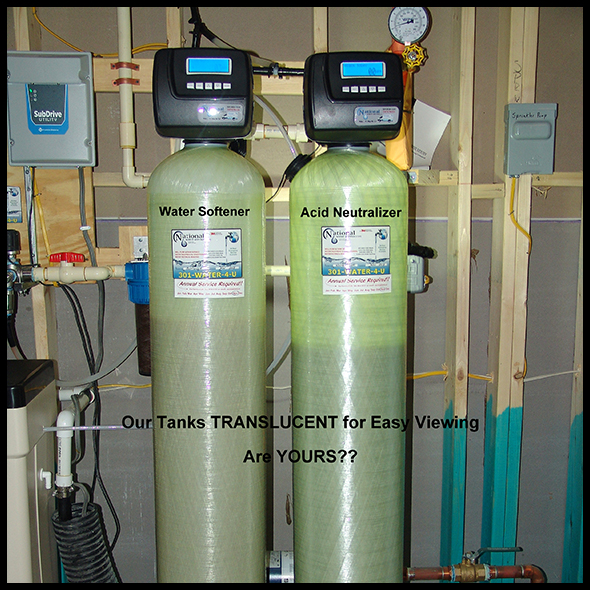
An acid neutralizer is a whole-house filtration unit designed to balance the pH of your water supply. Many private wells in the Maryland, DC, and Virginia regions produce “acidic” water (low pH). Acidic water acts as a solvent, aggressively eating away at copper pipes, brass fittings, and appliance heating elements.
A true well water acid neutralizer uses natural minerals like Calcite (calcium carbonate) to buffer the water, raising the pH to a neutral, non-corrosive level. At National Water Service, we specialize in custom-blended systems that protect every inch of your home’s infrastructure.
To understand the science behind why low pH is so destructive to your home, read our guide: Understanding Acidic Water: Why It Matters.
An acid neutralizer is essential if you:
Use a private well (especially in regions like Potomac, Great Falls, and Woodbine).
See blue-green stains on your tubs, sinks, and toilet tanks.
Experience pinhole leaks—Corroded pipes are significantly more likely to burst. If you are currently facing a pipe failure, visit our Frozen & Emergency Pipe Repair Page for priority dispatch.
Notice a metallic or “tinny” taste in your drinking water.
Have pitting or etching on your fixtures—see if your cloudy glassware is actually caused by low pH.
| Symptom | What it Means | Long-Term Risk |
|---|---|---|
| Blue-Green Staining | Water is dissolving your copper pipes. | Pinhole leaks and pipe failure. |
| Metallic Taste | High levels of dissolved metals in your water. | Lead and Copper exposure |
| Pinhole Leaks | Chronic corrosion has thinned your pipe walls. | Water damage and mold growth. |
| Cloudy Glassware | Acid is permanently etching your dishes. | Ruined fixtures and kitchenware |
| Low pH (Below 6.8) | Your water is officially acidic. | Damage to your well pump system |
Stops the chemical reaction that dissolves copper, brass, and lead into your water.
Acidic water destroys the metal components of your pump and eats through pressure switch sensors. Installing a neutralizer can double the life of your well pump and tank.
Eliminates the “tinny” metallic taste.
Balanced pH water is gentler on your body. See our Hard Water Hair Guide for maintenance tips.
If you are considering a Whole House Reverse Osmosis system, an acid neutralizer is a required pre-filter.
At National Water Service, our mission is to give you clean, safe, great-tasting water — backed by over 47+ years of trusted experience.
We test your pH and mineral levels on-site.
We blend Calcite and Magnesium Oxide specifically for your well's chemistry.
Our licensed technicians install the system with non-proprietary valves.
We provide annual service and refills to keep your pH levels stable.
While an acid neutralizer fixes your pH, it does not remove bacteria. For total safety during events like the Potomac River Sewage Spill, we recommend pairing your neutralizer with a UV disinfection system or a Reverse Osmosis system.
Installing an acid neutralizer is a strategic investment that pays for itself by preventing the three most common (and expensive) plumbing disasters in Maryland and Virginia homes.
Acidic water is the #1 cause of premature tank failure. It eats through the protective lining and corrodes the heating elements. While an acid neutralizer requires simple annual maintenance, a failed water heater often leads to a total replacement.
Read more: 6 Ways to Prevent a Water Heater Disaster and how to Extend the Life of Your Water Heater.
Pinhole leaks from acidic corrosion don’t always start as a flood; they start as a slow drip inside your walls. By the time you see the wet spot on your ceiling, you are already facing mold remediation and structural repairs. A neutralizer keeps your pipe walls thick and secure.
Pro Tip: See our Easy Tips to Avoid Plumbing Repairs with Leak Protection.
If you have invested in a tankless water heater, acidic water is even more dangerous. The copper heat exchangers in tankless units are thinner and more sensitive to low pH than standard tanks. An acid neutralizer is mandatory to protect your warranty and your investment.
| The Cost of Neglect | The Cost of Protection |
| $2,000 – $4,000 for Water Heater Replacement | Low Monthly Investment for pH Balancing |
| $5,000 – $15,000+ for Whole-House Re-piping | Annual Service Refill (Sacrificial Media) |
| Thousands in Mold & Water Damage Repairs | Peace of Mind that your pipes are safe. |
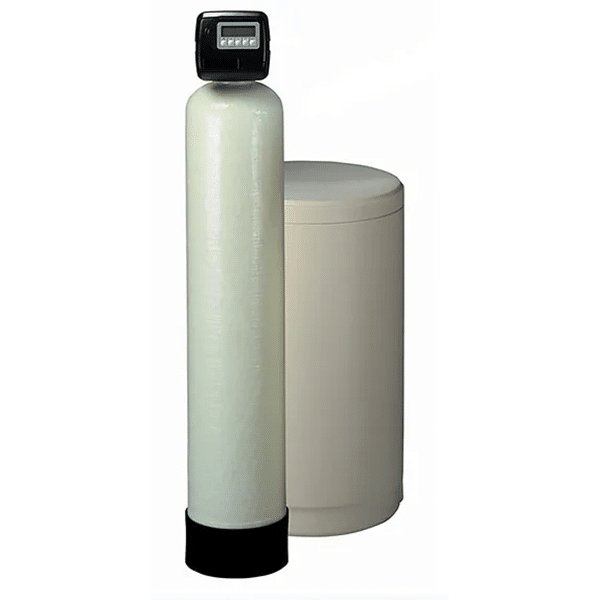
Yes. Because the system adds calcium to balance the pH, it increases mineral content. Many customers pair this with a Water Softener for total comfort.
No. If your water also smells like rotten eggs, you likely have sulfur and will need a separate iron/sulfur filter in addition to the neutralizer.
Most residential tanks require a service refill once a year. This is a critical part of your well maintenance checklist.
The lifespan of an acid water neutralizer depends on several factors, including the size of the unit, the frequency of use, and the water hardness level. On average, an acid water neutralizer system can last for 10 to 15 years if properly maintained and used in accordance with the manufacturer’s recommendations.
Regular maintenance is important to ensure the longevity and effectiveness of the system. This may include cleaning the unit, changing the filter, and monitoring the pH level of the water to ensure that it remains within the optimal range.
It is also important to choose a high-quality acid water neutralizer system from a reputable manufacturer, as some systems may have a shorter lifespan due to lower-quality materials or design flaws.
It is advisable to consult with a licensed water treatment professional to determine the most appropriate solution for your specific water needs and to discuss the expected lifespan of the system.
Acidic water treatment is different from other types of water treatment in that it focuses specifically on neutralizing the acidity of the water to make it safe for consumption and use. Acidic water has a pH level that is lower than 7.0, making it more acidic than neutral water.
Other types of water treatment, such as filtration and disinfection, address different water quality concerns, such as the removal of contaminants, impurities, and harmful microorganisms.
The treatment process for acidic water typically involves adding a neutralizing material, such as calcium carbonate or sodium hydroxide, to raise the pH level of the water to a neutral range (7.0 to 7.5). This is typically done using a neutralization tank or a similar system that is designed to automatically regulate the pH level of the water.
The specific treatment method and equipment used for acidic water treatment will vary depending on the severity of the acidity, the source of the acidity, and the specific water treatment needs of the property.
It is important to consult with a licensed water treatment professional to determine the most appropriate solution for your specific water needs and to ensure that the water is treated effectively and efficiently.
With over 47+ years of experience in water repair and management, we are proud to offer dedicated Water Techs & Master Plumbers to homes and businesses. Get affordable pricing, competitive quotes, and quality materials that last.