
National Water Service provides professional water treatment services throughout Baltimore County, MD — from the suburban communities of Towson, Catonsville, and Owings Mills to the rural well-water areas of Hereford, Sparks, and Monkton in the northern part of the county. Baltimore County is unique because it surrounds Baltimore City on three sides and receives 100% of its public drinking water from Baltimore City’s reservoir system — one of the oldest municipal water systems in the country.
In addition to Baltimore County, we provide expert water treatment across Maryland, Washington DC, and Northern Virginia.
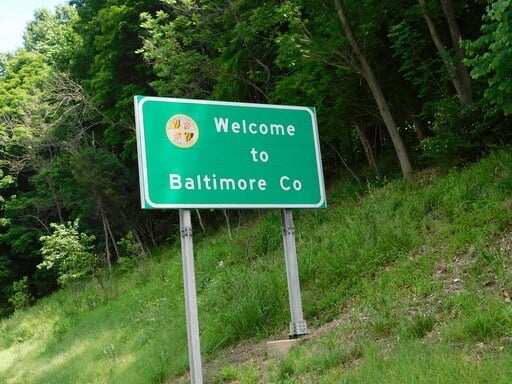
Baltimore County does not operate its own water treatment plants. Instead, the entire public water supply is purchased from the City of Baltimore, which treats and distributes water from three major reservoirs:
Loch Raven Reservoir — The largest of the three, with approximately 23 billion gallons of capacity and a 2,400-acre surface area. Located in northern Baltimore County on the Gunpowder Falls. Raw water travels through a 7.3-mile, 12-foot diameter tunnel to the Montebello Filtration Plants in Baltimore for treatment. The Loch Raven watershed extends into Harford County and southern York County, Pennsylvania.
Liberty Reservoir — Located on the North Branch of the Patapsco River, straddling the Baltimore County / Carroll County boundary. Liberty Dam was completed in 1954 and the reservoir holds approximately 43 billion gallons with a 3,900-acre surface area. Its 163-square-mile drainage area spans eastern Carroll County and southwestern Baltimore County. Water from Liberty Reservoir is treated at the Ashburton Filtration Plant.
Prettyboy Reservoir — The most remote of the three, located in the northwest corner of Baltimore County. Prettyboy holds about 19 billion gallons across 1,500 acres. Its 80-square-mile watershed extends into northern Carroll County and southern York County, Pennsylvania. Prettyboy water flows downstream via Gunpowder Falls to Loch Raven Reservoir before treatment.
Together, these three reservoirs supply approximately 1.8 million people across Baltimore City and five surrounding counties. Baltimore City operates three water treatment plants: Montebello I, Montebello II, and the Ashburton Filtration Plant.
What makes Baltimore County’s water situation unique: The majority of the reservoir watershed land — 290 square miles — is actually located within Baltimore County itself. That means Baltimore County residents are simultaneously the largest consumers of the water and the primary stewards of the land that produces it.
Private Wells — While most of Baltimore County is connected to the public water system, homes in the northern and northwestern parts of the county — particularly around Hereford, Sparks, Monkton, Upperco, Butler, Glyndon, Phoenix, and Parkton — rely on private wells. These communities sit within or near the reservoir watersheds and draw from Piedmont bedrock aquifers.
Baltimore City’s reservoir water is hard — approximately 185 mg/L (PPM) — making it some of the hardest municipal water in the state. By USGS standards, this is classified as “very hard.”
For Baltimore County homeowners on public water, hard water is the single most common water quality complaint. It causes white scale buildup on faucets, showerheads, and inside water heaters (reducing efficiency by 25–40%), spots on glassware and dishes, stiff laundry, and reduced soap and detergent effectiveness.
Private wells in northern Baltimore County can also produce hard water, though the level depends on local geology — wells drawing from limestone or carbonate formations tend to be harder than those in crystalline rock.
A properly sized water softener is the most common system we install in Baltimore County. We size every unit based on your tested hardness level and household water usage.
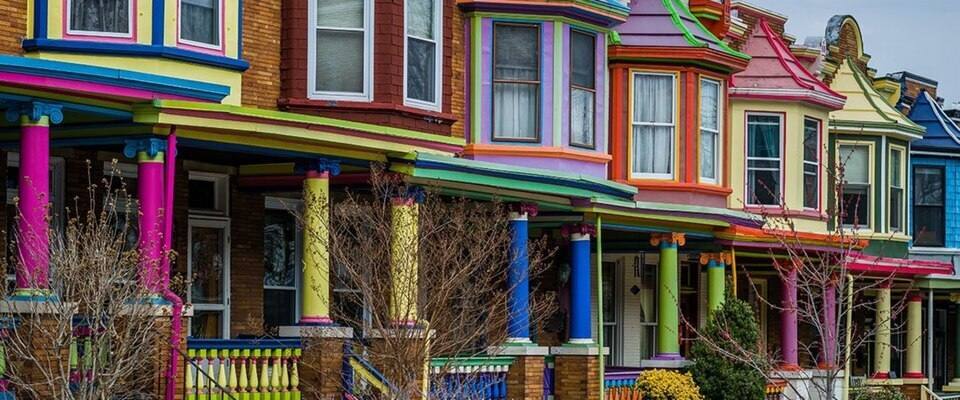
Baltimore County’s combination of very hard reservoir water, aging infrastructure, and rural well areas in the north creates a distinct set of water quality challenges.
Baltimore City uses chlorine to disinfect surface water from its three reservoirs. Because the reservoirs are open and collect water from large drainage areas with mixed land use, the organic matter content in the raw water is relatively high. When chlorine reacts with this organic matter, it produces haloacetic acids (HAA5) and trihalomethanes (TTHMs). Third-party testing has documented these byproducts at levels that, while within EPA legal limits, exceed more conservative health-based guidelines. Carbon filtration throughout the whole house and reverse osmosis at the kitchen tap are the most effective treatments.
Many Baltimore County residents notice a chlorine taste or seasonal musty/earthy smell in their water. The earthy odor is typically caused by geosmin and MIB — naturally occurring compounds produced by algae in the reservoirs, particularly during warmer months. These are not harmful but are aesthetically unpleasant. A whole-house carbon filtration system effectively removes both chlorine taste and earthy odors.
At 185 mg/L, Baltimore County’s municipal water is among the hardest in Maryland. Scale accumulation in water heaters is particularly costly — reducing both efficiency and lifespan. A water softener eliminates these issues and pays for itself over time through reduced energy costs and extended appliance life.
Baltimore County has many neighborhoods built before 1986 (when lead solder was banned) and some homes with lead service lines or older plumbing fixtures. Baltimore City’s water system uses corrosion inhibitors to reduce lead leaching, but homes with older plumbing may still have elevated lead levels at the tap. A reverse osmosis system at the kitchen provides effective lead reduction in drinking water.
Much of Baltimore City’s water distribution system uses cast iron pipes — the industry standard before the mid-1960s. Over time, these pipes develop internal corrosion and buildup that can cause water cloudiness, discoloration (“red water”), and off-tastes. Whole-house sediment filtration captures particulate matter from aging pipes before it reaches your fixtures.
The northern tier of Baltimore County — including communities like Hereford, Sparks, Monkton, Upperco, Butler, Glyndon, Phoenix, Parkton, and Boring — is predominantly rural with many homes on private wells and septic systems. These communities sit within or adjacent to the Prettyboy and Loch Raven reservoir watersheds, in Baltimore County’s Piedmont geology.
Common well water issues in northern Baltimore County include:
Baltimore County’s Bureau of Groundwater Management (410-887-2762) oversees private well issues. We provide free basic in-home water testing and can coordinate comprehensive lab analysis when needed.
If you’re experiencing low water pressure or suspect your well pump or pressure tank may be failing, our well pump services team can diagnose and repair the issue — often the same day.
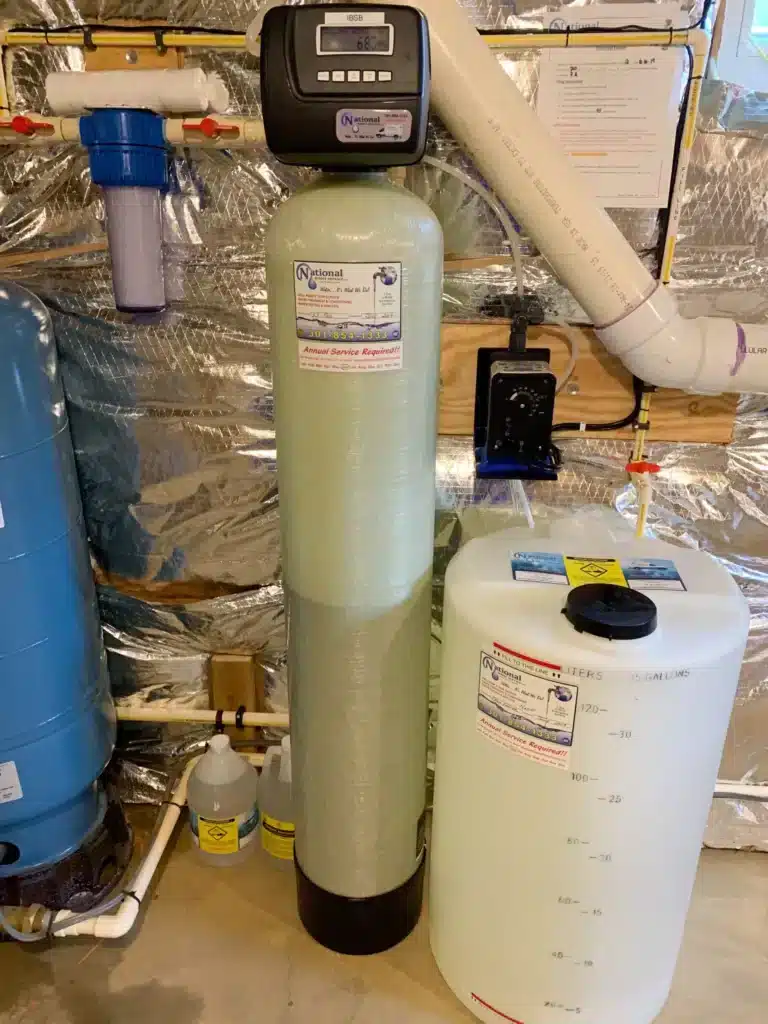
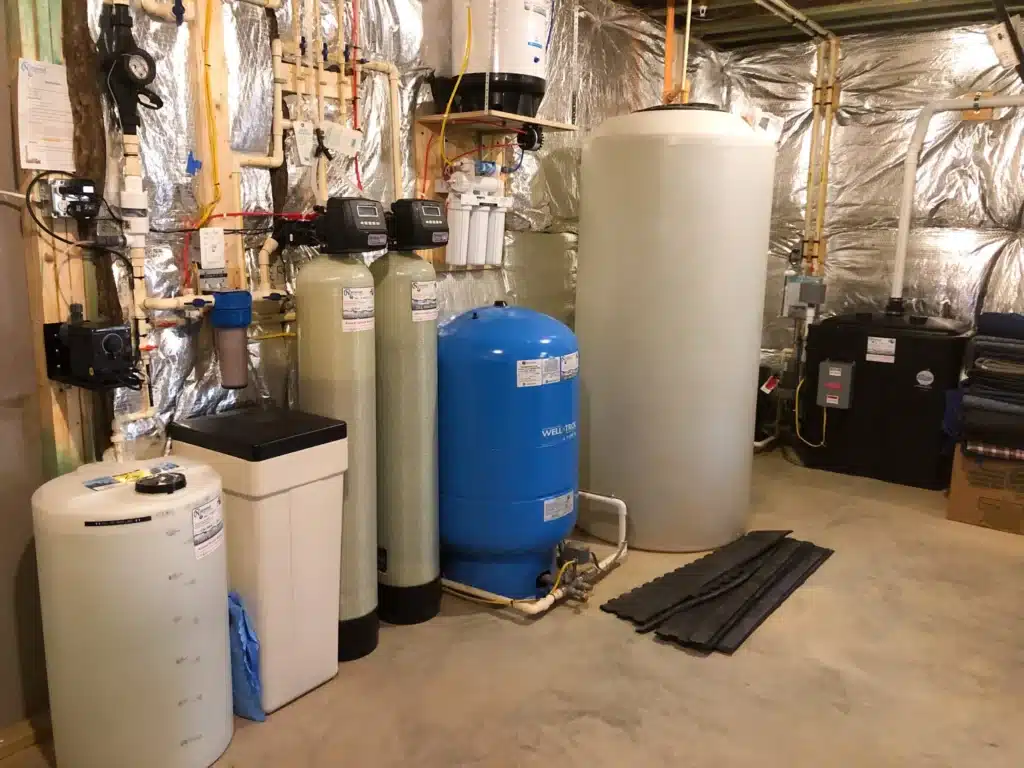
Every system we install is selected based on your water test results, household size, and plumbing configuration. We use non-proprietary equipment — meaning you’re never locked into a single brand for parts or service. Common solutions for Baltimore County homes include:
We handle installation, annual maintenance and emergency service across Baltimore County. Our office is in Woodbine, MD.
View our full range of water treatment services or browse our before-and-after installation gallery to see real results from homes like yours.
We provide water treatment, well pump services, and plumbing services throughout Baltimore County, MD, including:
In addition to Baltimore County, we provide expert water treatment across Maryland, including Montgomery County, Howard County, Frederick County, Carroll County, Anne Arundel County, Prince George’s County, Loudoun County, VA, Fairfax County, VA, and Washington, DC.
Baltimore County’s water is supplied by Baltimore City, which treats surface water from three reservoirs. The water meets EPA standards. However, third-party testing has documented haloacetic acids (HAA5) and trihalomethanes (TTHMs) at levels that, while legal, exceed more conservative health-based guidelines. Additionally, Baltimore City’s water is very hard at approximately 185 mg/L. Many homeowners add carbon filtration and water softeners to address these issues.
Seasonal algae activity in Loch Raven and the other reservoirs produces geosmin and MIB — naturally occurring compounds that give water an earthy or musty taste. These are not harmful but are noticeable, particularly in warmer months. A whole-house carbon filtration system removes these compounds along with chlorine taste.
Almost certainly, yes. Baltimore City reservoir water delivered to Baltimore County averages approximately 185 mg/L hardness — classified as “very hard” by USGS standards. This is among the hardest municipal water in Maryland. A water softener eliminates scale, extends appliance life, and improves soap and detergent performance. A water test will confirm your exact hardness level.
Possibly. Homes built before 1986 may have lead solder in plumbing joints, and some older homes may have lead service lines. Baltimore City uses corrosion inhibitors to reduce lead leaching, but older plumbing can still allow lead into drinking water. A reverse osmosis system at the kitchen tap is the most effective home treatment for lead reduction.
We recommend testing for hardness, pH, iron, manganese, bacteria (coliform/E. coli), nitrates, radon, and sediment at minimum. Northern Baltimore County’s Piedmont geology and agricultural land use create a range of well water challenges. Schedule a free water test to find out what’s in your water. If you’re also having pressure issues, our well pump team can inspect your system.
Cloudiness or red/brown discoloration in Baltimore County municipal water is often caused by internal corrosion of cast iron distribution pipes. When pipe buildup breaks loose — sometimes after hydrant flushing or pressure changes — it travels through the system to your tap. Sediment filtration captures these particles before they reach your fixtures.
Yes — we provide water treatment services to over 34 communities throughout Baltimore County. See our full list of service areas above. Our office is in Woodbine, MD. Contact us to confirm service availability.
Cost depends on the system type and your specific water conditions. A water softener for a Towson home is a different investment than a multi-stage well system in Hereford. We provide free in-home water testing and a detailed estimate before any work begins — no pressure, no obligation. Call 301-854-1333 to schedule.

Schedule your free water test today or call 301-781-5866 to speak with a water treatment specialist.