When your water pressure suddenly drops or your faucets start “spitting,” you need to know fast: is it the well pump or the pressure tank? They fail differently, they sound different, and — most importantly — confusing one for the other can turn a pressure tank replacement into a $3,000+ pump replacement.
At National Water Service, we respond to dozens of no-water calls every week across Maryland, DC, and Northern Virginia. This guide gives you the exact signs of well pump failure and bad pressure tank symptoms — plus the DIY knock test our technicians use in the field.
Quick Symptom Guide: Pump vs. Tank
| Symptom | Most Likely Cause |
|---|---|
| Pump clicks on/off rapidly (short cycling) | Waterlogged pressure tank |
| Pressure drops, then slowly recovers | Failing tank bladder |
| Faucets spit air then run normally | Waterlogged tank or drop pipe leak |
| No water at all, breaker is fine | Well pump failure |
| Breaker keeps tripping | Pump motor seizing |
| Pressure gauge needle bouncing rapidly | Waterlogged pressure tank |
| General low pressure throughout home | Could be either — start with knock test |
| Water suddenly stops mid-use | Pump failure or pressure switch issue |
| Rusty or sandy water after pressure drop | Pump sitting too low or well screen failing |
Signs of a Bad Pressure Tank
Your pressure tank stores pressurized water between pump cycles. When the internal bladder fails, the tank fills entirely with water — a condition called waterlogging. A waterlogged tank forces your pump to cycle on and off constantly, which burns out the motor. Catch it early and you replace a tank. Miss it and you replace a pump too.
Bad pressure tank symptoms:
- Rapid pump short-cycling — pump clicks on and off every few seconds while water is running
- Pressure gauge needle bouncing — needle fluctuates rapidly rather than holding steady
- Sputtering or spitting faucets — air in the lines from a failed bladder
- Pressure drops then returns — tank can’t hold pressure between pump cycles
- Waterlogged tank — confirmed by the knock test below
What happens when a well pressure tank goes bad? When the bladder ruptures, the tank fills completely with water and loses its ability to store pressurized air. Every time you open a faucet, the pressure drops instantly — triggering the pump to turn on. Every time you close it, the pump shuts off. This on/off cycling can happen dozens of times per hour, overheating the pump motor and dramatically shortening its lifespan. Left unchecked, a failed pressure tank becomes a $3,000+ pump replacement on top of the tank cost.
Signs of a Failing Well Pump
Well pumps are submersible — they sit hundreds of feet underground — so you can’t see them fail. But you can hear and feel the signs.
Signs of well pump failure:
- No water at all — the most obvious sign of complete pump failure
- Breaker keeps tripping — the pump motor is drawing too many amps as it seizes
- Constant low pressure — not fluctuating, just consistently weak throughout the home
- Spitting faucets with air — often points to a hole or crack in the drop pipe
- Pump runs but pressure won’t rise above 40 PSI — internal impellers may be worn
- Sudden spike in electric bill — a dying pump draws more power to deliver the same water
- Pump runs continuously — check valve failure or pump can’t build pressure
How long do well pumps last? Most residential submersible well pumps last 10–15 years. In Maryland and Virginia, acidic groundwater is the #1 cause of premature failure — it corrodes the pump body and internal components. If your pump is over 12 years old and showing any of these signs, replacement is usually more cost-effective than repair.
How to Check if Your Pressure Tank is Waterlogged
A waterlogged well tank is a mechanical emergency that can burn out your pump motor. You can check this yourself using the “Knock Test.”
The Knock Test:
-
Knock on the pressure tank roughly 4″ from the top and 8″ from the bottom.
-
Healthy Tank: The top should sound hollow (filled with air), and the bottom should sound dull (filled with water).
-
Waterlogged Tank: If the knock sounds the same (dull and full) at both the top and bottom, the tank is waterlogged.
What Happens When a Pressure Tank Goes Bad — The Chain Reaction
A waterlogged pressure tank doesn’t just fail on its own. It triggers a chain reaction that can destroy your well pump within weeks:
- Bladder ruptures → tank fills with water, loses air cushion
- Pump short-cycles → turns on/off every few seconds instead of every few minutes
- Motor overheats → pump bearings wear out 10x faster than normal
- Pump seizes → complete no-water situation requiring full pump pull
This is why we always stress: if your pump is short-cycling, don’t wait. A pressure tank replacement — typically $1,200 or more fully installed — done today prevents a $2,500–$4,000 emergency pump replacement next month.
In our region, acidic water accelerates every step of this chain. Low-pH groundwater eats through tank walls and pump casings years ahead of schedule. Installing an acid neutralizer after any pump or tank replacement is the single most effective way to prevent the same failure from recurring.
The 4 Common Replacement Situations
1. The Waterlogged Pressure Tank
If the “Knock Test” fails, the internal bladder is ruptured. We replace failed units with professional-grade, heavy-duty tanks that feature a thicker diaphragm to handle the pressure.
2. The Failed Well Pump
If the pump motor won’t engage or is drawing too many amps, we pull the old pump to inspect the “drop pipe” and wiring. We replace failed pumps with high-efficiency motors designed for the long-term groundwater conditions of Maryland and Virginia.
Learn more about our submersible well pump installation and replacement service.
3. The “Root Cause” (Acidic Water)
In our region, the most common reason for premature equipment failure is acidic water. Corrosive, low-pH water eats away at the metal tank walls and well pumps. To prevent your new equipment from failing again, we recommend installing an acid neutralizer to balance your pH.
4. Post-Repair Filtration
A new pump installation can stir up legacy sediment in your well. Many homeowners opt for a Reverse Osmosis (RO) system at the kitchen tap to ensure their drinking water remains 99% pure even if the well infrastructure is aging.
Real-World Results: Our Recent Service Calls
Bad Pressure Tank Replacement Process
Every week we replace broken, old, or corroded well pumps and waterlogged tanks that have been destroyed by local water conditions.
-

Bad Pressure Tank -

Acidic Water Eating away at a customers pressure tank -
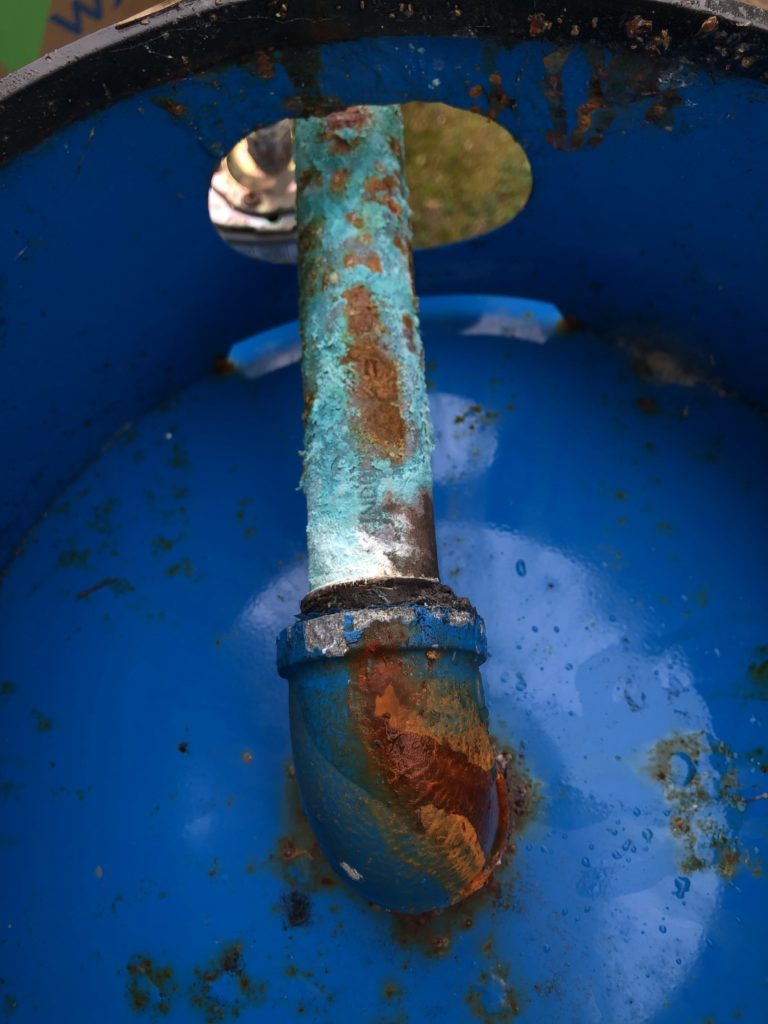
Corroded Pressure Tank and Tank Tee -
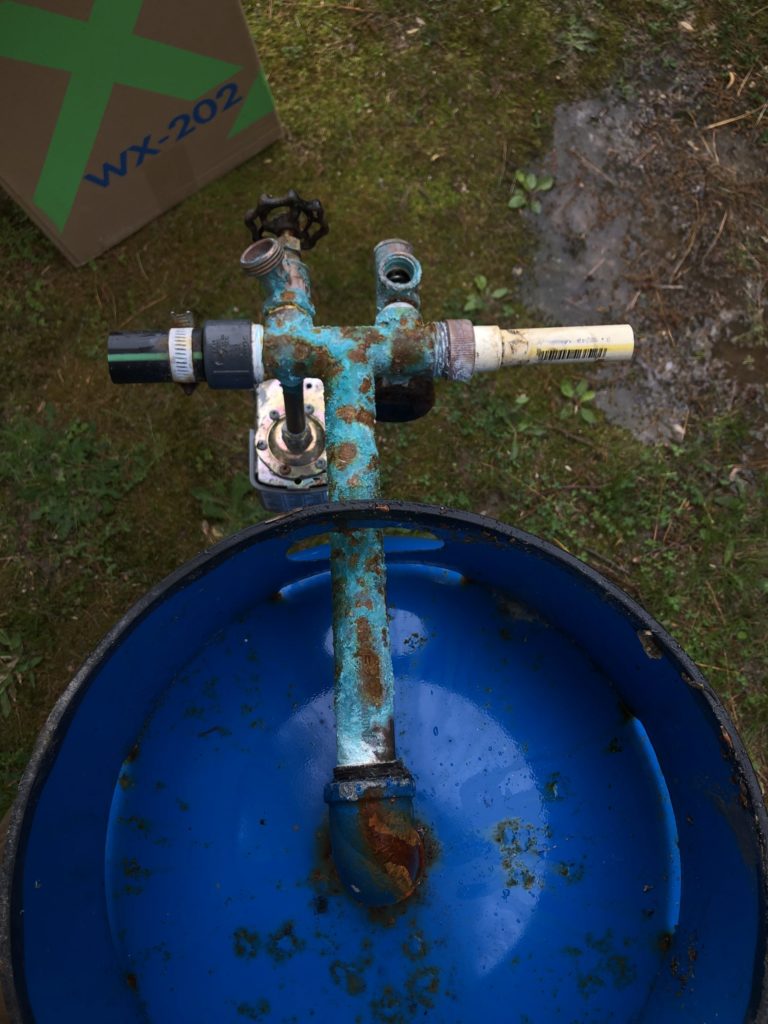
Corroded Pressure Tank and Tank Tee -
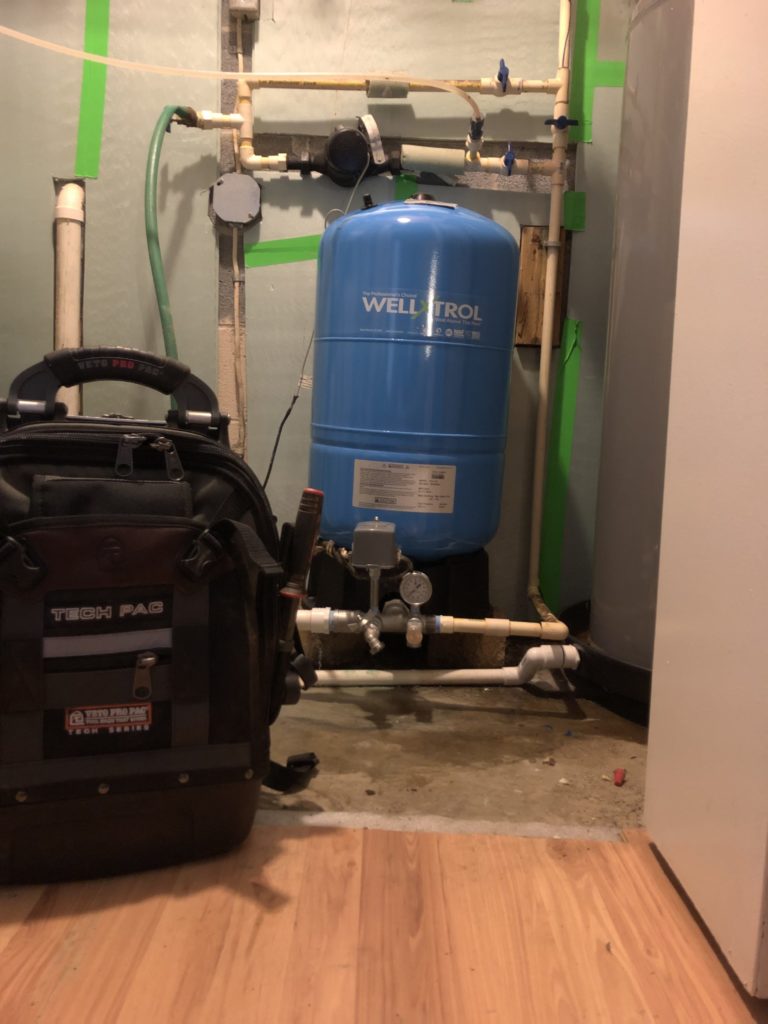
Pressure Tank Replacement
Well Pump Pinhole Leaks
In this case, our technicians found a pinhole leak in the pump itself. We replaced the bad pump and immediately restored full pressure to the home.
-
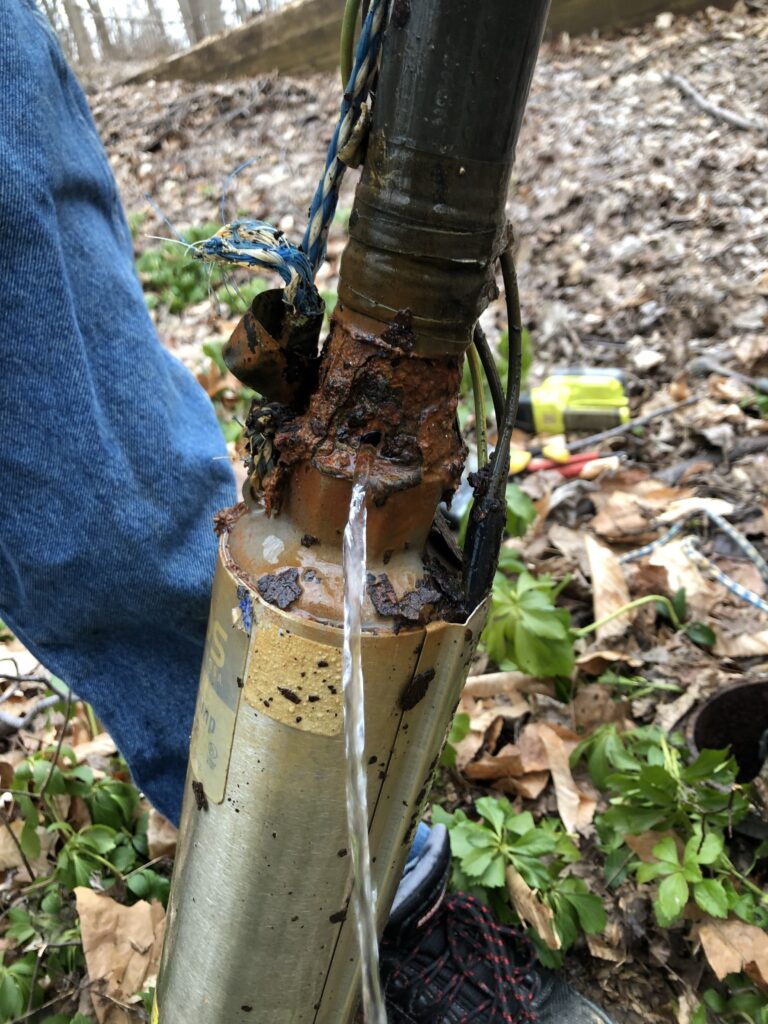
After pulling the pump our technicians found a pinhole leak in our customers well pump causing it to go bad. We replaced the bad pump and restored water pressure in the customers home. -
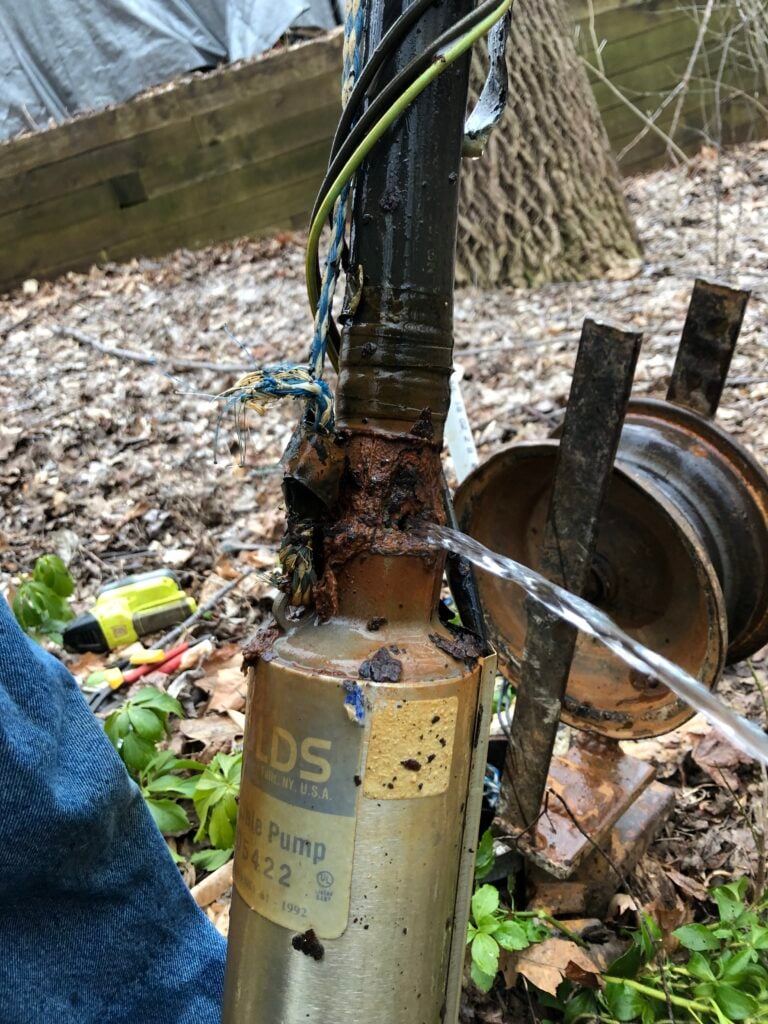
After pulling the pump our technicians found a pinhole leak in our customers well pump causing it to go bad. We replaced the bad pump and restored water pressure in the customers home. -

After pulling the pump our technicians found a pinhole leak in our customers well pump causing it to go bad. We replaced the bad pump and restored water pressure in the customers home. -
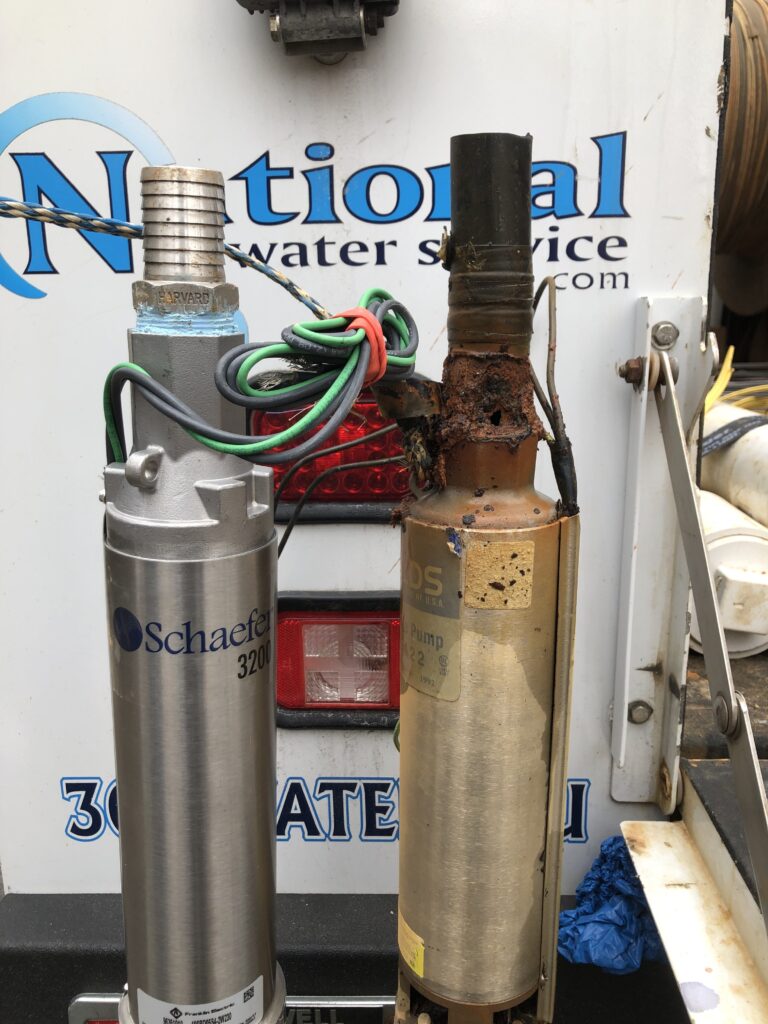
After pulling the pump our technicians found a pinhole leak in our customers well pump causing it to go bad. We replaced the bad pump and restored water pressure in the customers home.
DIY Fixes vs. Professional Engineering
While a DIY “Knock Test” is a great first step, fixing these systems requires specialized tools.
-
The DIY Risk: Recharging air or swapping a pressure switch might get the water back on for a day, but it often masks a failing bladder. This forces your pump to work under extreme stress, turning a $700 tank repair into a $3,000 pump replacement.
-
The National Water Service Solution: We don’t just “swap parts.” We provide full system diagnostics, install heavy-duty, professional-grade tanks, and offer water quality solutions to stop the corrosion that caused the failure in the first place.
FAQ
Can I fix a waterlogged well tank?
If the internal bladder is ruptured, the tank must be replaced. If it has simply lost its air charge, it can sometimes be recharged, but this is usually a sign that a failure is coming soon.
How long should a well pressure tank last?
Typically 10–15 years. However, in areas with high acidity, they can fail in as little as 3–5 years without an acid neutralizer.
How do I know if my well pump or pressure tank is bad?
Start with the knock test on your pressure tank (tap 4″ from the top and 8″ from the bottom — it should sound hollow on top and dull on the bottom). If both spots sound the same, the tank is waterlogged and needs replacement. If the tank passes the knock test but you still have low pressure, no water, or a tripping breaker, the issue is more likely the pump itself. Our technicians can perform full system diagnostics to pinpoint the cause before pulling the pump.
How long does a well pressure tank last?
Typically 10–15 years under normal conditions. However, in areas with acidic groundwater — which is very common across Maryland, Northern Virginia, and parts of DC — pressure tanks can fail in as little as 3–5 years. The acid corrodes the steel tank walls and destroys the internal bladder. Installing an acid neutralizer after any tank replacement is the best way to protect the new equipment.
What does it mean when my well pump keeps turning on and off?
This is called short-cycling and it almost always means your pressure tank is waterlogged. When the bladder fails, the tank can no longer store pressurized water — so the pump has to kick on every time you use any water in the house, even briefly. Short-cycling dramatically increases motor wear and can burn out your pump in weeks. If you hear your pump clicking on and off rapidly, call for service immediately — catching it at the tank stage is far cheaper than a full pump replacement.
Why does my water pressure drop then come back?
Pressure that drops and then slowly recovers usually points to a failing pressure tank bladder that is partially functional but not holding a full charge. As the bladder continues to degrade, the pressure drops will become more frequent and severe. Eventually the bladder ruptures completely, leading to short-cycling and potential pump damage. This is an early warning sign — worth addressing before it becomes an emergency.
Can a bad pressure tank cause no water?
Yes. A severely waterlogged pressure tank can cause the pressure switch to malfunction, preventing the pump from turning on at all — resulting in no water. It can also burn out the pump motor through constant short-cycling, leaving you with a failed pump on top of a failed tank. If you suddenly have no water and your breaker has not tripped, always check the pressure tank first before assuming the pump has failed.
About National Water Service We’ve been diagnosing and repairing well pump and pressure tank failures across Maryland, Washington DC, and Northern Virginia since 1979. Our trucks are stocked for same-day emergency response — pressure tank replacements, pump pulls, pressure switch repairs, and full system diagnostics. We serve Montgomery, Howard, Carroll, Frederick, Anne Arundel, and Baltimore Counties in Maryland; all of Washington DC; and Loudoun, Fairfax, and Prince William Counties in Virginia. Schedule service or call 301-854-1333.
Emergency Response: 7 Days a Week, 365 Days a Year
One of our most important jobs is emergency response. If you have no water or low pressure, we are here to help every single day of the year.
-
Call Us: 301-854-1333
-
View our Pressure Tank Page