
Wastewater treatment refers to the process of cleaning water that is no longer fit for use due to contamination from domestic, industrial, or agricultural sources. Wastewater typically contains organic and inorganic compounds that must be carefully removed before the water can be safely reused or returned to the environment.
Because this is a complex task, waste wastewater treatment is carried out in four distinct steps: Pre-treatment, and the three main stages: primary, secondary, and tertiary treatment, with each stage focusing on a different aspect of removing contaminants and improving water quality.
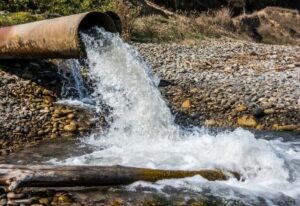
What is a Wastewater Treatment Plant (WWTP)?
A wastewater treatment plant (the facility responsible for treatment plant wastewater management) is the physical infrastructure where contaminated water is purified. While the biological stages remain similar, the scale and focus of the plant depend on the source of the waste.
| Feature | Municipal Treatment Plant | Industrial Treatment Plant |
|---|---|---|
| Primary Source | Residential sewage & city drains | Manufacturing & chemical byproducts |
| Main Objective | Remove pathogens & organic waste | Neutralize toxins & heavy metals |
| Scale | Large-scale city infrastructure | Custom-built for specific facilities |
National Water Service specializes in commercial-grade systems that mirror these large-scale plant processes but are engineered for a smaller footprint—ideal for independent facilities, housing developments, and commercial complexes.
What Is Wastewater Treatment?
Wastewater treatment plays a critical role in protecting freshwater resources by removing harmful pollutants such as metals, debris, microorganisms, and biological waste before water is discharged into surface water or groundwater. The treatment process uses specialized equipment to eliminate or reduce contaminants so the water meets environmental and safety standards.
Wastewater treatment has been used for decades to help prevent pollution and protect ecosystems. From an environmental perspective, effective treatment methods ensure that harmful chemicals and biological contaminants are safely removed, helping preserve water quality for people, plants, and wildlife.
Types of Wastewater Treatment Systems
Different Wastewater treatment systems are designed to handle specific sources of wastewater depending on whether it comes from homes, industries, or commercial facilities.
Sewage Treatment Plants (STP)
This treatment method involves the following steps: infiltration, grit removal, primary sedimentation tank, secondary sedimentation tank, and secondary clarification. This process is used to treat domestic wastewater and commercial waste.
Effluent Treatment Plants (ETP)
This method uses the same process as STPs but uses more advanced technology resulting in the effluent having a lower BOD (biological oxygen demand) level.
Common and Combined Effluent Treatment Plants (CETP)
This type of wastewater treatment is for small businesses that are required to process their wastewater before releasing it into the water bodies but can’t afford to do so. CEPTs allow small industrial businesses to pool their wastewater with other businesses like them and divide the cost of treating wastewater to save their resources and the environment.
Activated Sludge Plants (ASP)
This involves creating a highly concentrated sludge with activated sludge, which is mixed with air and septic tanks to cause oxidation and breakdown of organic matters.
Stage 0: Pre-Treatment (The "4th" Stage)
Before the three main stages begin, wastewater undergoes Pre-treatment. This is a vital step for any functional wastewater treatment plant to protect its mechanical components. It involves:
Bar Screening: Removing large objects like rags and plastics.
Grit Removal: Removing sand and gravel to protect pumps.
Flow Equalization: Ensuring a consistent flow of water enters the system.
Primary Stage of Wastewater Treatment
The primary stage of Wastewater treatment focuses on removing large solids, settleable materials, and floating debris using mechanical and biological processes.
The first stage of wastewater treatment is done in a series of tanks and clarifiers. The clarification process involves the removal of 50 to 90 percent of solids and floatable materials from wastewater.
Solids removal relies on providing the right conditions for biochemical, physical, and other natural processes to remove solid matter. The basic aim of primary wastewater treatment is to stop human health hazards, protect freshwater ecosystems and preserve the quality of receiving waters.
This is achieved by screening (large solids removal), sedimentation (settling of heavy materials) or skimming (floaters or light materials), grit removal, chemical precipitation, biological treatment (sewage sludge settled on the bottom), flocculation (clumping of particles to form bigger particles) and disinfection.
Stages of Waste Wastewater Treatment
Waste wastewater treatment is the process of cleaning contaminated water before it is discharged back into waterways or reused as a reclaimed water source.
This process is carried out in three main stages—primary, secondary, and tertiary treatment—each designed to remove different types of pollutants and improve overall water quality.
Secondary Stage of Wastewater Treatment
The secondary stage of Wastewater treatment focuses on removing dissolved and suspended organic matter that remains after primary treatment. During this stage, wastewater is held in treatment tanks where biological processes help break down organic contaminants.
In some treatment systems, the water is allowed to settle so that remaining particles such as grit and organic matter can separate before moving on to further treatment.
The purpose of the secondary stage is to remove suspended solids, settleable particles, dissolved chemicals, and other pollutants that were not fully eliminated during primary treatment.
Secondary treatment removes these contaminants using three main biological methods: biofiltration, aeration, and oxidation ponds.
- Biofiltration:
Biofiltration uses porous materials such as sand filters or trickling filters to remove residual sediment from wastewater. Organic matter is broken down into carbon dioxide and water through biological activity. - Aeration:
Aeration involves diffusing air into wastewater to support microorganisms that break down pollutants. This process typically takes several hours and significantly improves water quality. - Oxidation Ponds:
Oxidation ponds are nutrient-rich ponds or reservoirs where wastewater is naturally treated over time. As the water flows through these ponds, organic compounds are broken down before the water is discharged into the environment.
Tertiary Stage of Wastewater Treatment
The tertiary stage of Wastewater treatment follows primary and secondary treatment and focuses on removing remaining contaminants to improve water quality. While the earlier stages remove large solids and organic matter, tertiary treatment targets dissolved chemicals, nutrients, and microorganisms to make the water safe for discharge or reuse.
This stage includes advanced processes that further improve the quality of treated wastewater, allowing it to be safely returned to the natural environment or reused for non-potable purposes.
Common tertiary treatment processes include activated carbon filtration, advanced oxidation processes, ozone injection, and reverse osmosis, all of which help remove trace contaminants and improve overall water quality.
In many systems, tertiary wastewater treatment includes two final steps: disinfection and dechlorination, which help ensure treated water is safe for release into the environment.
- Disinfection:
During disinfection, chemical disinfectants such as chlorine are used to eliminate harmful bacteria and microorganisms. This step helps reduce health risks and improve water safety before discharge or reuse. - Dechlorination:
Dechlorination involves removing excess chlorine from treated water, often using compounds such as sodium bisulfite. This is important because residual chlorine can be harmful to aquatic life and degrade water quality.
Once wastewater completes the tertiary stage of treatment, it meets environmental standards and can be safely discharged or reused without negatively impacting ecosystems when properly managed.
How Wastewater Treatment Is Completed
Waste wastewater treatment is completed once water has successfully passed through the primary, secondary, and tertiary stages, with each step removing specific contaminants and improving overall water quality.
During primary treatment, large solids and debris are removed. Secondary treatment then breaks down dissolved and suspended organic matter using biological processes. Finally, tertiary treatment removes remaining chemicals, nutrients, and microorganisms through advanced filtration and disinfection.
Once these stages are complete, treated wastewater meets environmental and regulatory standards. The water can then be safely discharged into rivers, lakes, or groundwater, or reused for approved non-potable applications, depending on local regulations and treatment goals.
Completing wastewater treatment in this structured way helps protect public health, preserve freshwater ecosystems, and reduce pollution in the environment.
FAQs About Wastewater Treatment
What is wastewater treatment?
Waste wastewater treatment is the process of removing contaminants from used water so it can be safely reused or returned to the environment.
What is a wastewater treatment plant?
A wastewater treatment plant (also known as a treatment plant wastewater facility) is the physical infrastructure where physical, chemical, and biological processes are used to purify water and remove hazardous waste matter.
How does a wastewater treatment plant work?
A plant works by moving water through a series of increasingly fine filtration and biological processes. It typically follows a sequence of Pre-treatment, Primary, Secondary, and Tertiary stages to ensure all pollutants are removed.
What are the three stages of wastewater treatment?
The three stages are:
Primary Stage: Mechanical removal of solids and debris.
Secondary Stage: Biological breakdown of organic matter.
Tertiary Stage: Advanced filtration and chemical disinfection.
What is the most important stage of wastewater treatment?
While every step is vital, the Secondary Stage is often considered the most important because it uses microorganisms to remove up to 85% of the organic matter that would otherwise destroy oxygen levels in natural waterways.
Are there 4 stages of wastewater treatment?
Yes. While the three main stages are the industry standard, many modern facilities consider Pre-treatment to be the “Stage 0” or the 4th stage. This involves bar screening and grit removal to protect the wastewater treatment plant’s machinery.
What are flocculants and coagulants in wastewater treatment?
These are specialized chemicals added during the Primary Stage to help tiny, suspended particles clump together (forming “flocs”). This allows the treatment plant wastewater process to settle and filter out contaminants more effectively.
What do wastewater treatment plants do with the waste?
The solid waste removed, known as sludge, is treated and dried. High-quality treated sludge can be repurposed as nutrient-rich fertilizer for agriculture, while other waste is safely disposed of in managed landfills.
Why is tertiary wastewater treatment important?
Tertiary treatment is essential because it removes trace chemicals, nutrients, and pathogens that primary and secondary stages miss, ensuring water is safe for the environment or non-potable reuse.
Does a treatment plant wastewater process remove all chemicals?
Standard plants remove organic waste and most bacteria, but Tertiary Treatment (such as Reverse Osmosis or Activated Carbon) is specifically required to remove trace pharmaceuticals, heavy metals, and “forever chemicals” like PFAS.