When temperatures in Maryland and Virginia drop, your well system faces risks that city water users never see. From a frozen pressure switch “brain” to an ice-blocked main line, a winter water failure is a race against time before pipes begin to shatter.
If you have NO water in your house, call our Priority Emergency Line:
To ensure the fastest response for those in total crisis, please check these symptoms before calling. We prioritize Total Water Loss events.
You have cold water, but NO Hot Water: This is typically an internal plumbing or water heater issue. You should contact a plumber.
You have NO Water at any tap (0 PSI): Your well’s main line, pump, or pressure switch is frozen. This is a high-priority well emergency.
When well lines freeze, many homeowners attempt to use blowtorches or high-wattage space heaters. National Water Service strongly advises against this for two reasons:
High Fire Risk: Open flames near crawlspaces, insulation, or well houses are a leading cause of residential fires during winter storms.
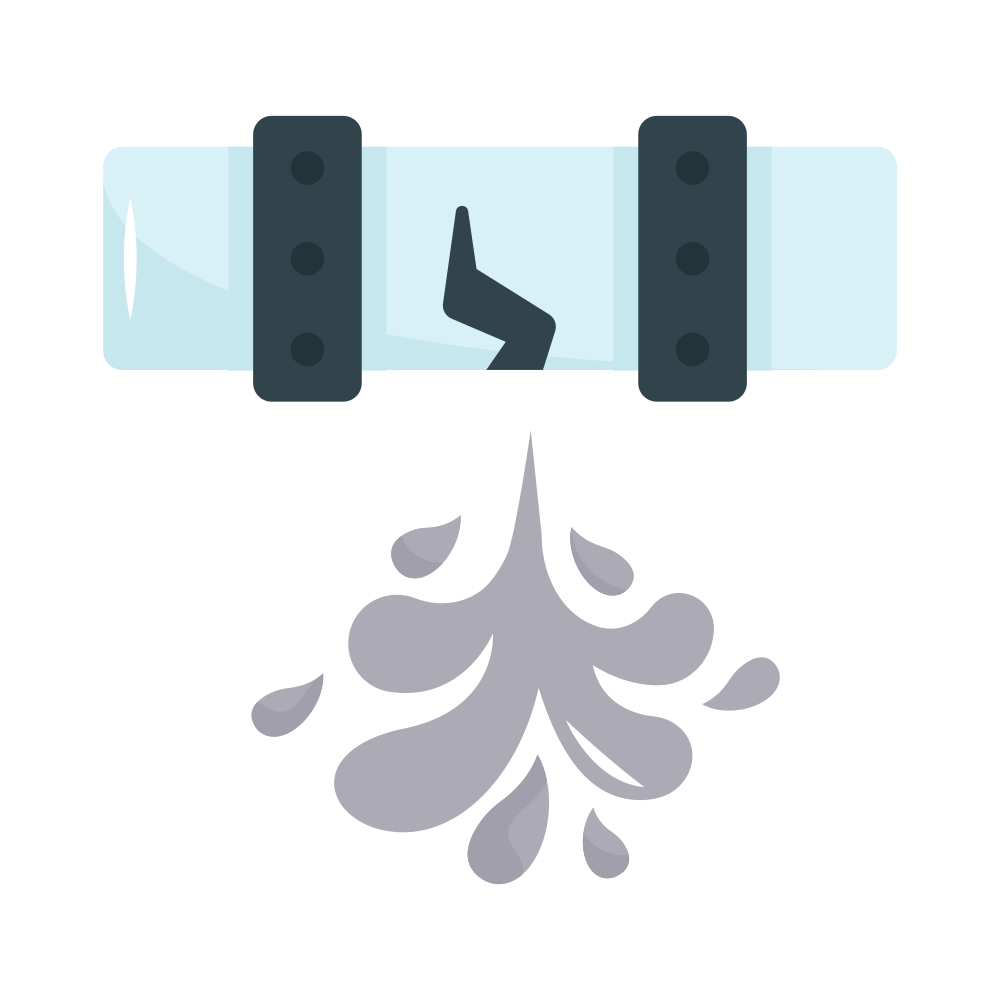
Instant Pipe Shattering: Thawing an ice blockage in the wrong sequence creates “trapped pressure.” This often causes the pipe to explode the moment the ice begins to move.
We use industrial-grade, controlled thermal equipment to safely restore flow while protecting your property from fire and flood.
Controlled System Thawing: Safely restoring flow to main well lines and pressure switches without damaging equipment.
Emergency Burst Pipe Repair: Immediate repair for water lines in crawlspaces or well pits shattered by ice.
System Winterization Upgrades: Post-crisis installation of professional heat tape and insulation to prevent a reoccurrence.
Power Failure Diagnostics: Safely restarting well pumps after outages to prevent motor burnout.
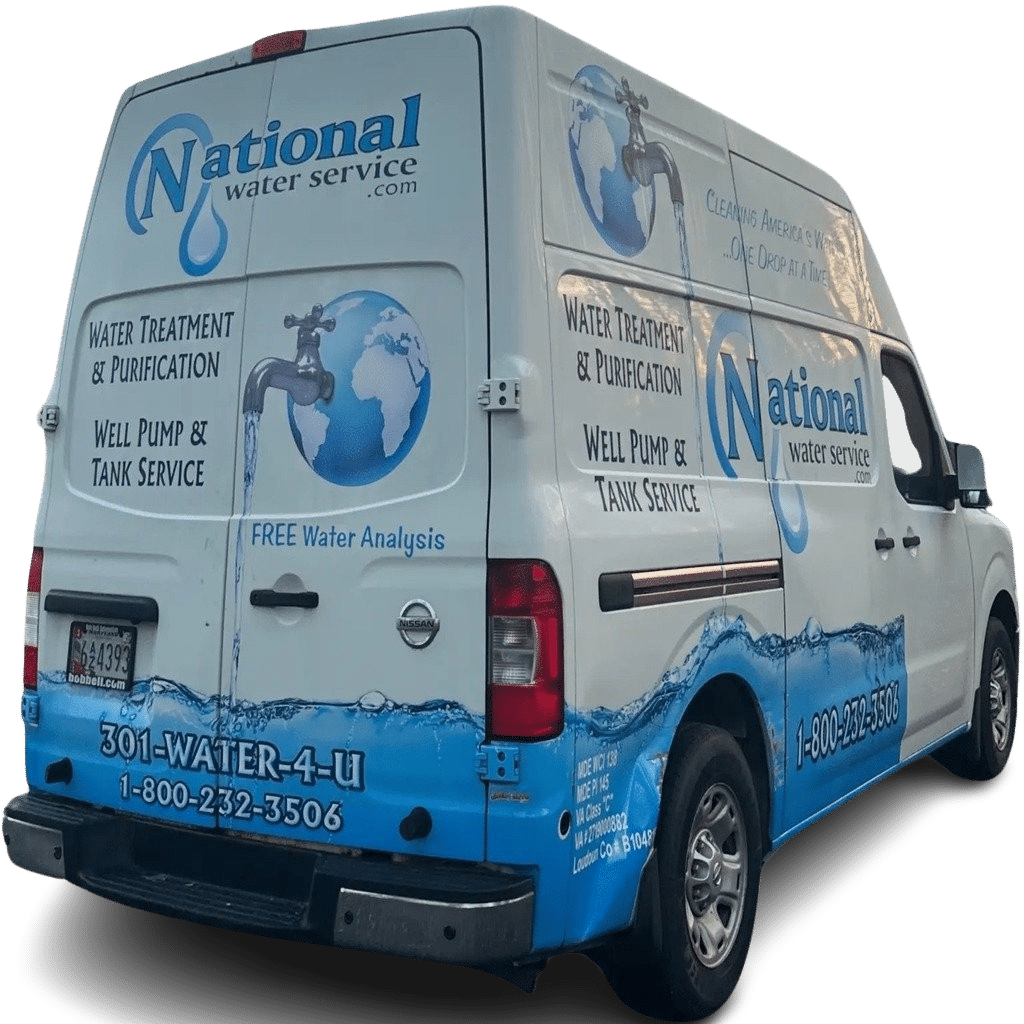
During extreme weather events, our "Warehouse on Wheels" trucks are dispatched to prioritize homes with a total loss of water. We have the specialized tools required to thaw well systems that standard plumbers simply do not carry.
In freezing temperatures, yes. No running water usually indicates a frozen main line. If left unaddressed, the ice will continue to expand until the pipe wall shatters, leading to a flood once the system thaws. Professional intervention is required to safely restore flow and inspect for damage.
Yes. If the intake line to your water heater freezes, you will lose hot water even if your cold water still seems to work in other parts of the house. However, if you have no water at all, the freeze is likely at the well head or the main line entering the house.
If your pressure gauge reads 0 PSI, your pressure switch (the “brain” of the pump) or the line feeding it is likely frozen. Do not attempt to bypass the switch or manually force the pump to run, as this can burn out the motor or cause a pipe to burst under extreme pressure.
While empty pipes won’t “burst,” residual moisture can still freeze and create blockages. More importantly, if your well pump is off but the lines are full, that standing water is at the highest risk of freezing and shattering the pipe.
This often happens when a freeze disturbs the sediment in your lines or if a pipe has partially failed due to frost heave. If you see discolored water after a freeze, you should have your system inspected and your filtration checked for damage.
If the power is on and your breakers aren’t tripped, but you have 0 PSI during a cold snap, it is almost certainly a freeze issue. A specialist can perform a diagnostic to determine if the blockage is at the well head, the pitless adapter, or the indoor pressure switch.