Maryland, DC & Northern VA Arsenic Water Treatment

What is Arsenic?

Arsenic is a naturally occurring element which occurs in rocks and soil. In the past it was used in a variety of ways including industry and agriculture. Arsenic is also a byproduct of mining, coal burning, and copper smelting. It may also combine with other elements to produce chemicals which preserve wood and guard agricultural crops.

How Does Arsenic Get in Water?

Arsenic may enter water supplies through natural deposits in the earth or through industrial and agricultural pollution. Arsenic is a naturally occurring element  that may dissolve from rock formations where ground water levels significantly drop. Furthermore, every year industries in the United States deposit thousands of pounds of arsenic into the environment. Once in the environment, arsenic particles disperse through precipitation and gradually settle on the ground or in surface water. Hence, over time, arsenic may seep into ground water supplies. High levels of arsenic in private wells may also derive from industrial waste, fertilizers, or herbicides used in the past. Additionally, high levels of arsenic in private wells may be indicative of improper well constructions.

A person pours cloudy, yellowish water from a glass; outdoor faucet and rural background visible. Text on image reads: “ARSENIC CONTAMINATED WATER.”.

The Harmful Effects of Arsenic in Water

A person wearing a white shirt holds their stomach with both hands, showing discomfort or pain possibly caused by arsenic in water. The abdominal area is highlighted in red to indicate pain or illness.

Treatment Options For ARSENIC IN WATER

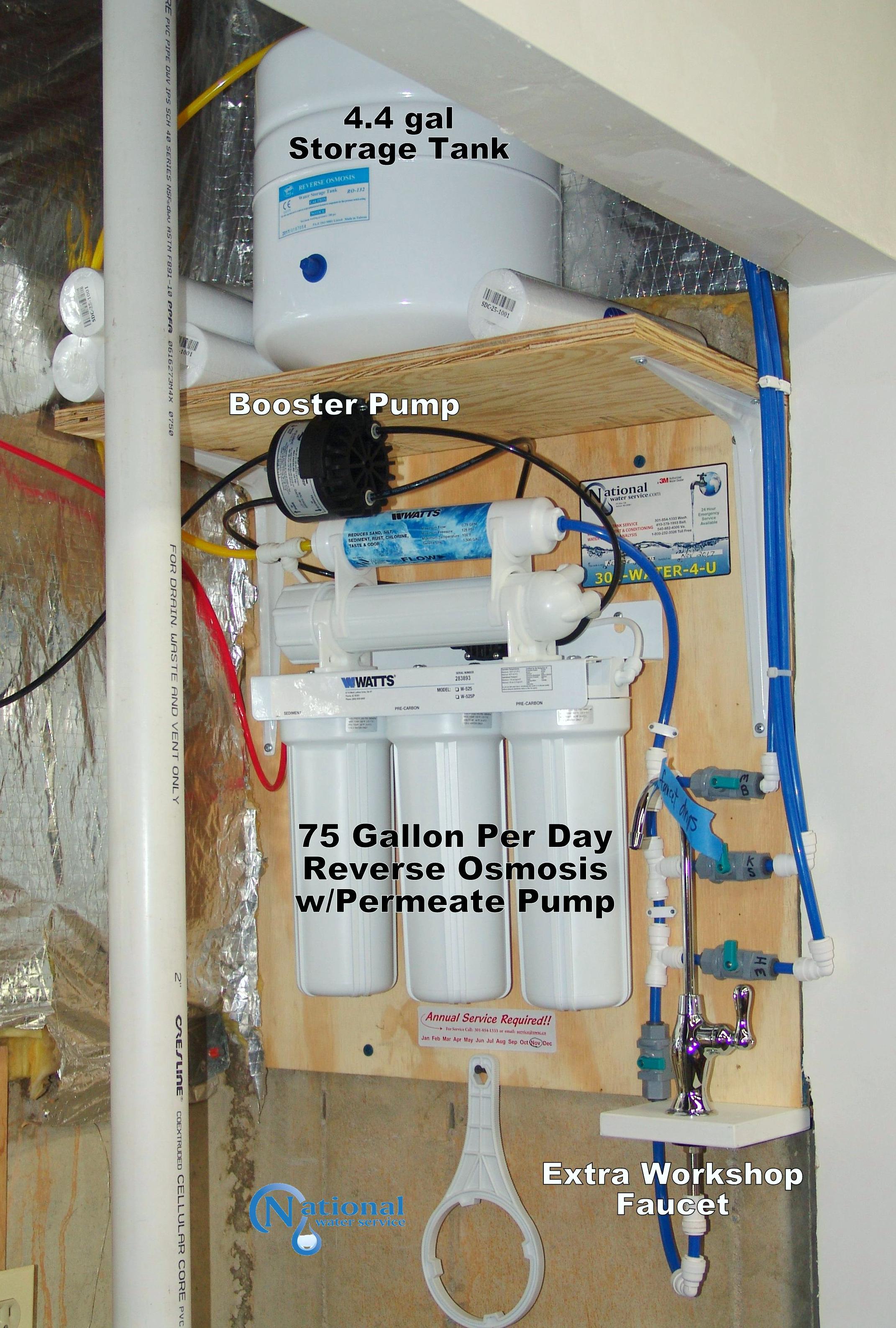
A reverse osmosis water filtration system mounted on a wall with labeled parts: a 4.4-gallon storage tank, booster pump, filtration unit, and extra workshop faucet. Blue and white pipes connect the components.

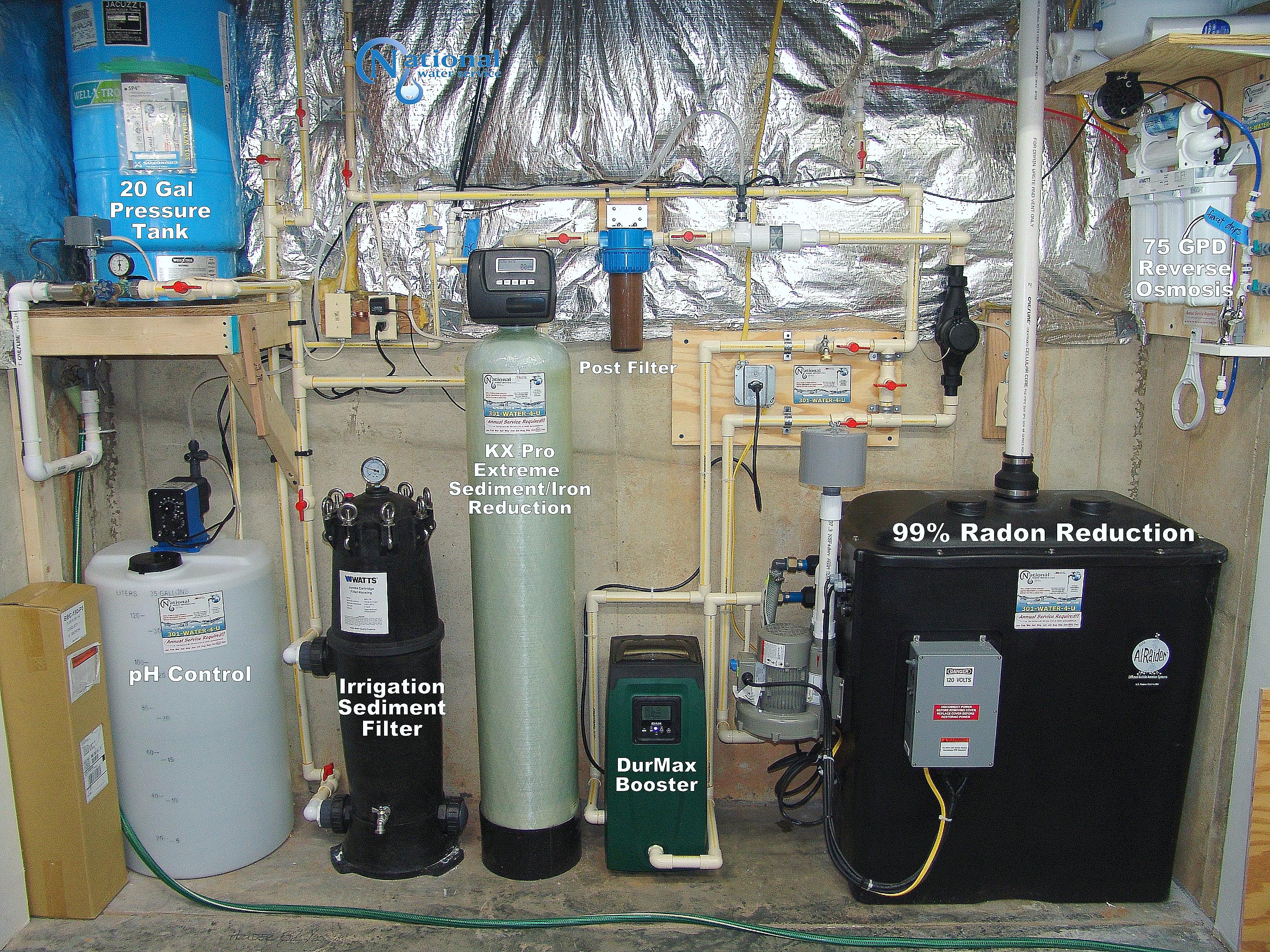
Heating or boiling water will not remove arsenic in your water. While some contaminants do evaporate during the boiling process, the concentration of arsenic may actually increase. The use of chlorine or bleach will also not remove arsenic from water. Arsenic can only be removed through a reverse osmosis purification system, ultra filtration, distillation, or through ion exchange. When arsenic dissolves in water it has no taste, color, or smell. If you think you have arsenic in your water, you need a water treatment expert to conduct a water analysis and evaluate which system is optimal for your home or business. Simply fill the contact form below a representative will reach out shortly.