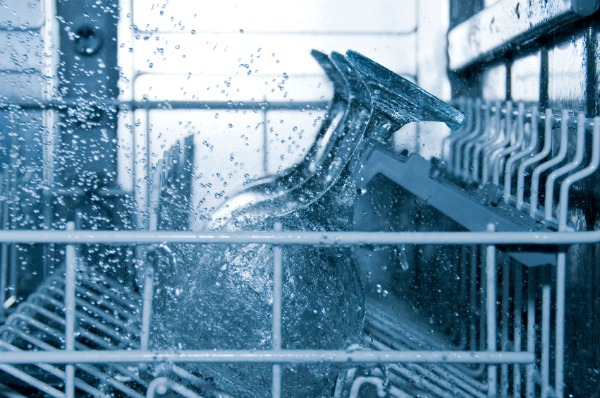
Have you noticed a milky, foggy film on your favorite wine glasses that just won’t wash away? You might be dealing with etched glassware.
Unlike simple water spots, etching is a permanent change to the surface of your glass. It occurs when the glass is actually eroded, creating tiny pits or scratches that catch the light and make the dish look “dirty” or sandblasted. At National Water Service, we help homeowners identify if their cloudy dishes are a sign of a deeper water chemistry issue.
Is Your Glassware Etched or Just Dirty? (The Lemon Juice Test)
Before you throw away your dishes, you need to determine if the problem is permanent etching or simply stains and spots caused by mineral buildup.
The Test:
Put a small amount of lemon juice (or vinegar) on a cloudy area of the glass.
Let it soak for 5–10 minutes.
Rinse and dry the glass.
If the spot is clean: It’s not etched! You have mineral and soap buildup caused by hard water.
If the spot is unchanged: The glass is likely etched. The surface has been physically damaged, and unfortunately, once glassware is etched, it cannot be fixed.
What Causes Etched Glassware?
Etching is a gradual process that can happen in any dishwasher, regardless of whether you have hard or soft water. However, it occurs most frequently in homes with mechanically softened water or naturally acidic water.
The primary causes include:
Too Much Detergent: Soft water is very efficient. If you use standard amounts of detergent, the excess soap begins to eat the glass surface.
Pre-Rinsing Dishes: Detergent is designed to cling to food. If dishes are pre-rinsed until spotless, the detergent attacks the glassware instead.
High Water Temperature: Water above 140°F accelerates the chemical reaction between the soap and the glass.
Corrosive Chemistry: Low pH water is naturally “hungry.” Over time, this corrosivity etches both your glass and your plumbing fixtures.
Etching vs. Cloudy Water
It is important to note that etched glass is a problem with the dish itself. If your water looks “milky” or foggy as it comes out of the tap, you are likely dealing with cloudy water caused by trapped air bubbles or suspended solids, rather than a chemical reaction in the dishwasher.
How to Prevent Further Glassware Etching
While you can’t reverse the damage already done to your etched glassware, you can stop the process from ruining the rest of your set:
Stop Pre-Rinsing: Leave the grime on the plates. Let the detergent do the job it was designed for.
Adjust Your Detergent: Use less detergent if you have soft water, or switch to a detergent specifically formulated for soft water environments.
Check Your Water Temp: Run your kitchen faucet for 45 seconds, then fill a glass and check it with a thermometer. The ideal temperature for a dishwasher is between 120°F and 140°F.
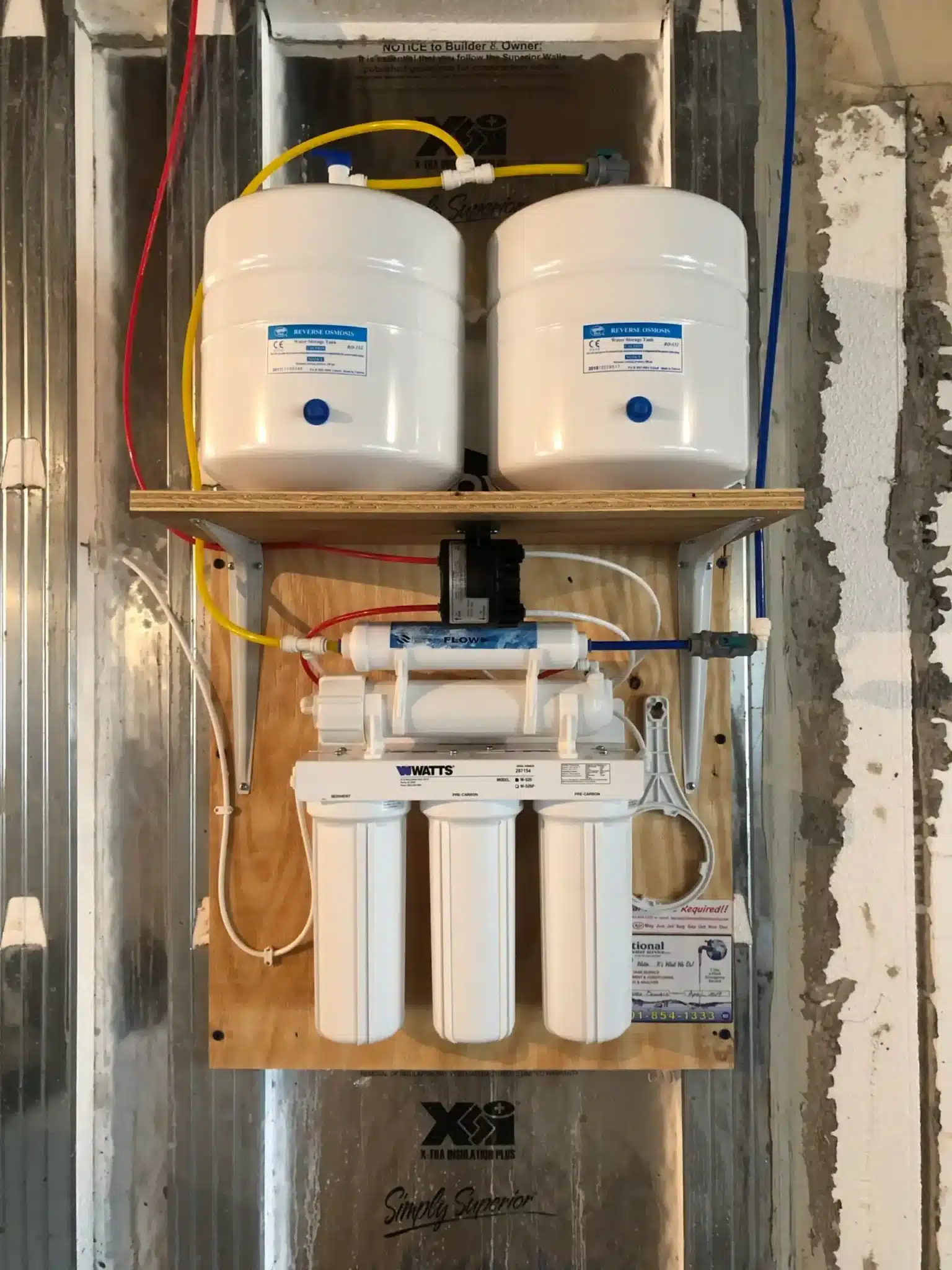
Balance Your pH: If your water is naturally corrosive, installing a whole-house acid neutralizer is the only way to protect your dishes, your fixtures, and your plumbing from long-term damage.
FAQ
Can you remove etching from glassware?
No. Because etching is physical erosion (tiny pits and scratches), it cannot be cleaned or polished off. Prevention is the only way to save your glassware.
Does vinegar fix etched glass?
Vinegar is great for removing hard water stains and spots, but it will not fix etching. In fact, if your water is already acidic, adding more acid won’t help the surface of the glass.
Why does my water softener cause etching?
Water softeners remove minerals that normally “occupy” the detergent. In soft water, the detergent is “aggressive” and looks for minerals to react with—if there is no food on the plates, it reacts with the minerals in your glass.
How do I stop my dishwasher from etching glass?
Try using less detergent, stop pre-rinsing your dishes, and ensure your water heater is set between 120°F and 140°F. If the problem persists, you may need an acid neutralizer to balance your water’s pH.
Get a Professional Water Analysis
If your glassware is consistently coming out cloudy, it’s a sign that your home’s water chemistry is out of balance. Whether you need to manage hard water minerals or neutralize acidic corrosion, we have the expertise to help.