If your home has tested positive for radon, the first step is determining if the gas is entering through the soil or your water supply. While air mitigation is common, radon in well water requires a specialized approach. Because radon is a dissolved gas, it cannot be “filtered” out with standard equipment; it must be physically removed through mechanical or chemical processes.
In this guide, we break down how to remove radon from water effectively and why professional installation is the only safe solution for your home.
Learn more about our professional radon in water mitigation services.
The Two Primary Methods for Radon Removal
There are two industry-standard ways to treat waterborne radon. The choice depends on your specific levels, measured in picocuries per liter (pCi/L).
1. Aeration (The Preferred Solution)
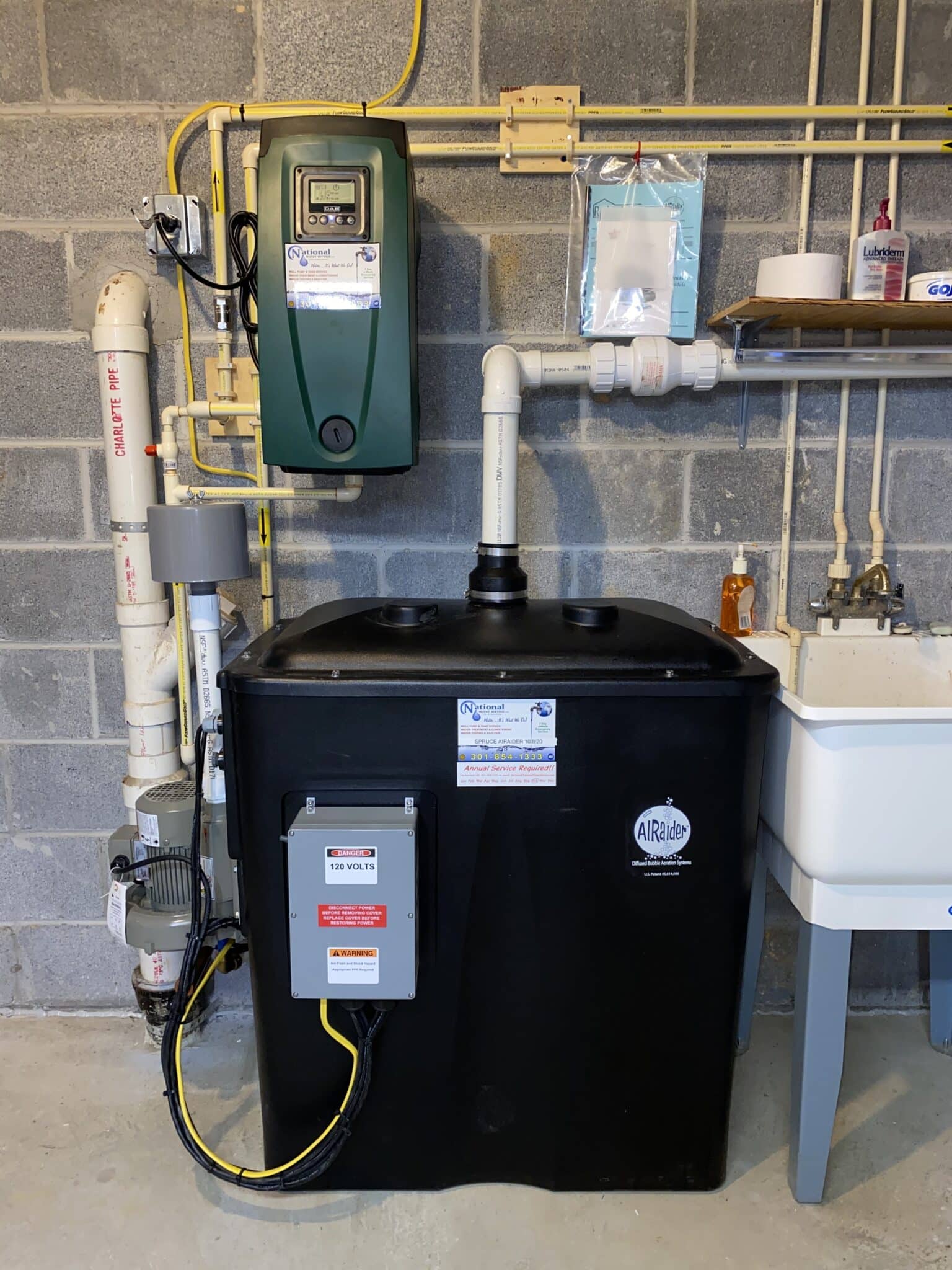
Aeration is considered the “Gold Standard” for radon removal. This method uses the physical property of radon as a gas to “strip” it away from the liquid.
How it works: Water is sprayed into a specialized chamber where a blower forces air through it. This process separates the radon gas from the water molecules.
Venting: The captured gas is then vented through a dedicated pipe to the outside of your home, safely away from windows and air intakes.
Effectiveness: High-efficiency aeration systems, like the Spruce AIRaider™, can remove up to 99.9% of radon.
2. Granular Activated Carbon (GAC)
GAC filtration uses a specialized bed of carbon to “adsorb” the radon gas as it passes through the tank.
How it works: Radon molecules stick to the surface of the carbon.
Limitations: While effective for lower levels (typically under 2,500 pCi/L), the carbon eventually becomes radioactive as it traps the gas. These systems require careful monitoring and professional tank replacement.
Learn more about our professional radon in water mitigation services.
Common Myths: What Doesn't Work
When searching for how to remove radon from water, many homeowners encounter DIY advice that can actually be dangerous.
Does Boiling Water Remove Radon?
Technically, boiling water will cause radon gas to escape. However, it releases that gas directly into your kitchen air. This creates an immediate inhalation hazard, which is significantly more dangerous than ingesting the water. Boiling is not a viable mitigation strategy.
Do Pitcher or Fridge Filters Remove Radon?
No. Standard carbon-block filters found in pitchers or refrigerators are designed for taste, odor, and chlorine. They are not high-capacity enough to handle dissolved radioactive gases like radon.
Does Reverse Osmosis (RO) Remove Radon?
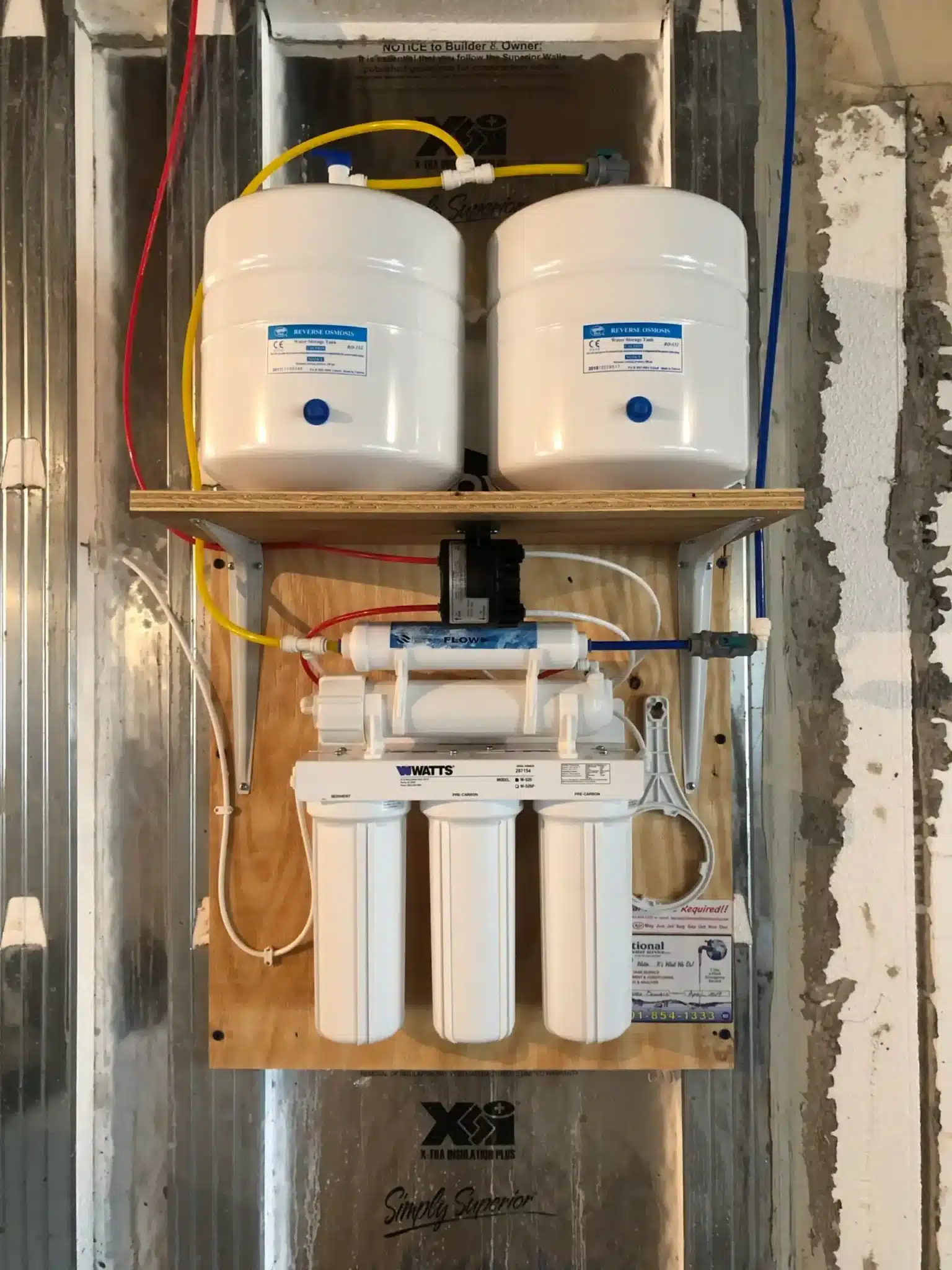
Standard RO systems are not effective at removing dissolved gases. While they are excellent for minerals and heavy metals, radon gas will pass right through the membrane.
Why Professional Mitigation is Required
Because radon is a radioactive hazard, the “how” of removal is only half the battle. The venting and calibration are what keep your family safe.
Safety Venting: If an aeration system is not vented correctly, radon gas can re-enter your home through basement windows or soffit vents.
Repressurization: Aeration systems break the water pressure. A professional installation includes a booster pump calibrated to ensure your home maintains consistent pressure for showers and appliances.
Lab Verification: We perform post-mitigation testing to prove the system has reduced levels below the EPA action limit.
The Next Steps for a Safe Home
Understanding the science is the first step toward a healthy home. If you have confirmed high levels of radon in your well, the most effective “how” is a professionally installed and vented system.
Deep Dive into Aeration: To learn more about the technology behind air stripping, visit our What is Aerated Water? guide.
System Installation: Ready to protect your home? View our full range of Radon Removal Systems and schedule a site survey.
- Explore All Solutions: Radon is often just one piece of the puzzle. From hard water and iron to sulfur and bacteria, view our complete range of Water Treatment Services to see how we can restore your home’s water quality.